
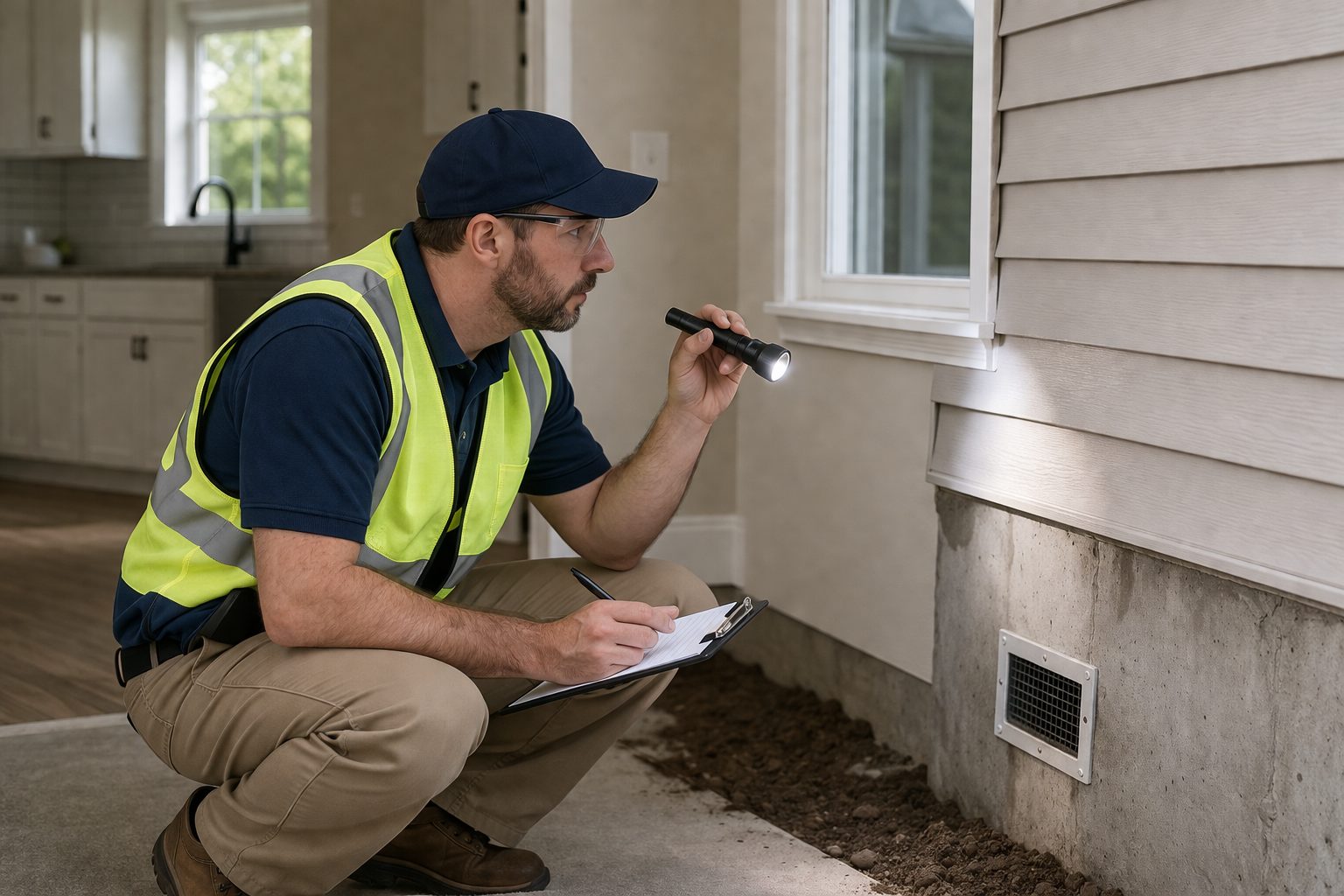
Home Inspection Tips Every Buyer Should Know
Buying a home is one of the biggest investments you’ll ever make, and the home inspection is your opportunity to truly understand what you’re getting into. While a house may look perfect on the surface, an inspection can reveal important details that could impact your decision, your budget, or your negotiation strategy.
Here are essential home inspection tips every buyer should know before moving forward.
🔍 1. Always Attend the Inspection
Even though you’ll receive a written report, there’s no substitute for being there in person. Attending the inspection allows you to:
- See issues firsthand
- Ask questions in real time
- Learn how systems in the home work
Think of it as a crash course in homeownership.
🧰 2. Hire a Qualified Inspector
Not all inspectors are created equal. Do your research and choose someone who is:
- Licensed and insured
- Highly reviewed
- Experienced in the type of property you’re buying
A great inspector will be thorough, honest, and willing to explain things in simple terms.
⚠️ 3. Focus on Major Issues First
Every home, even new construction, will have some minor flaws. Don’t get distracted by cosmetic issues like chipped paint or squeaky doors.
Instead, pay close attention to:
- Roof condition
- Foundation and structure
- Electrical systems
- Plumbing
- HVAC (heating and cooling systems)
These are the items that can cost you thousands down the road.
🏠 4. Understand What’s Included (and What’s Not)
A standard home inspection typically covers:
- Structural components
- Roof and attic
- Electrical and plumbing systems
- Appliances
- Heating and cooling
However, it may NOT include:
- Mold testing
- Radon testing
- Pest inspections
Depending on the property, you may want to add these specialized inspections.
💰 5. Use the Inspection as a Negotiation Tool
If the inspection reveals significant issues, you have options:
- Request repairs
- Ask for a credit at closing
- Renegotiate the purchase price
Your real estate agent can help guide you on what’s reasonable based on the market.
🧾 6. Don’t Panic Over the Report
Inspection reports can be long, and sometimes intimidating. It’s normal to see a long list of items.
Remember:
- No home is perfect
- Many issues are routine maintenance
- Focus on safety and major repairs
Take time to review the report with your agent and inspector before making decisions.
🔧 7. Plan for Future Maintenance
A home inspection isn’t just about problems, it’s also about planning ahead. The inspector may point out:
- Age of the roof
- Remaining lifespan of appliances
- Upcoming maintenance needs
This helps you budget for future expenses and avoid surprises.
🚪 8. Know When to Walk Away
In some cases, the inspection may uncover serious issues that you’re not comfortable taking on. That’s okay.
Your inspection contingency gives you the opportunity to walk away from the deal if needed, protecting both your finances and peace of mind.
Final Thoughts
A home inspection is one of the most important steps in the homebuying process. It empowers you with knowledge, helps you avoid costly surprises, and gives you leverage when negotiating.
The more informed you are, the more confident you’ll feel moving forward with your purchase.
If you’re thinking about buying a home and want guidance every step of the way, including navigating inspections, feel free to reach out. I’m here to help make the process smooth, informed, and stress-free! Call me at 646-421-4467 or email me at Jeselle.Eli@randrealty.com
