
How to Prepare Your Home for Sale: A Westchester Seller’s Checklist
By Jeselle Eli, Realtor®
Selling your home in Westchester County is an exciting step, and preparation is everything. Buyers here are savvy, competitive, and often paying premium prices, which means your home needs to shine from the moment it hits the market. Use this checklist to get your home market-ready and positioned to sell quickly and for top dollar.
1. Start With a Deep Declutter
Less is more when selling. Buyers want to envision themselves in the space, not feel like they’re walking through someone else’s life.
✔ Remove excess furniture
✔ Clear countertops, shelves, and closets
✔ Store personal photos and memorabilia
✔ Organize garages, basements, and storage areas
Westchester tip: Homes with generous storage are a big selling point, make yours look spacious and functional.
2. Clean Like a Pro (or Hire One)
A spotless home signals pride of ownership and move-in readiness.
✔ Wash windows inside and out
✔ Deep clean kitchens and bathrooms
✔ Steam clean carpets and rugs
✔ Dust baseboards, vents, and ceiling fans
If your home sparkles, buyers will assume it’s well-maintained behind the scenes too.
3. Make Minor Repairs That Matter
Small fixes can prevent buyers from negotiating your price downward.
✔ Patch holes and touch up paint
✔ Fix leaky faucets and squeaky doors
✔ Replace burned-out light bulbs
✔ Repair loose railings, tiles, or handles
Pro tip: Buyers often overestimate repair costs, so don’t give them reasons to worry.
4. Refresh With Neutral Paint
Fresh paint is one of the highest-return updates you can make.
✔ Stick to light, neutral tones
✔ Repaint high-traffic areas
✔ Touch up trim, doors, and baseboards
Neutral colors help rooms feel larger, brighter, and more move-in ready, especially important for Westchester buyers who want turnkey homes.
5. Boost Curb Appeal (Your First Impression)
Your home’s exterior sets the tone before buyers even walk inside.
✔ Power wash siding, walkways, and driveway
✔ Trim hedges and mow the lawn
✔ Add fresh mulch and seasonal flowers
✔ Paint or clean your front door
✔ Replace worn house numbers or mailbox
In Westchester’s competitive market, curb appeal can be the difference between a showing and a scroll past.
6. Stage to Sell, Not to Live
Staging helps buyers emotionally connect to your home.
✔ Arrange furniture to highlight space and flow
✔ Add neutral décor, throw pillows, and fresh linens
✔ Set inviting table settings and cozy accents
✔ Use mirrors to reflect light and enlarge rooms
Professional staging is often worth the investment, especially in higher-end Westchester neighborhoods.
7. Let There Be Light
Light makes everything feel better, and bigger.
✔ Open all blinds and curtains
✔ Replace heavy drapes with sheer panels
✔ Turn on all lights for showings
✔ Add lamps to darker corners
Natural light is a huge selling feature in Westchester homes, showcase it.
8. Address Odors (Seriously)
Smell matters more than you think.
✔ Eliminate pet, smoke, and cooking odors
✔ Deep clean carpets and upholstery
✔ Avoid strong air fresheners, opt for subtle, clean scents
A fresh-smelling home feels cleaner, newer, and more welcoming.
9. Prepare Important Documents
Buyers appreciate transparency, and it speeds up the process.
✔ Property tax records
✔ Utility bills
✔ Survey and floor plans
✔ Renovation permits and warranties
✔ HOA documents (if applicable)
Having these ready positions you as a serious, organized seller.
10. Price Strategically With a Local Expert
Preparation means nothing if your home isn’t priced right.
✔ Analyze recent comparable sales
✔ Consider market conditions and buyer demand
✔ Price to attract strong interest, not sit on the market
As a Westchester Realtor®, I use hyper-local data and buyer behavior insights to price homes strategically for maximum results.
Final Thoughts
Preparing your home for sale isn’t about perfection, it’s about presentation. When your home looks well-maintained, clean, and move-in ready, buyers compete, offers increase, and you gain leverage.
If you’re thinking about selling in Westchester County, I’d love to walk through your home with you and create a personalized preparation and pricing plan.
📩 Contact Jeselle Eli at 646-421-4467 to get started... your next chapter begins here.
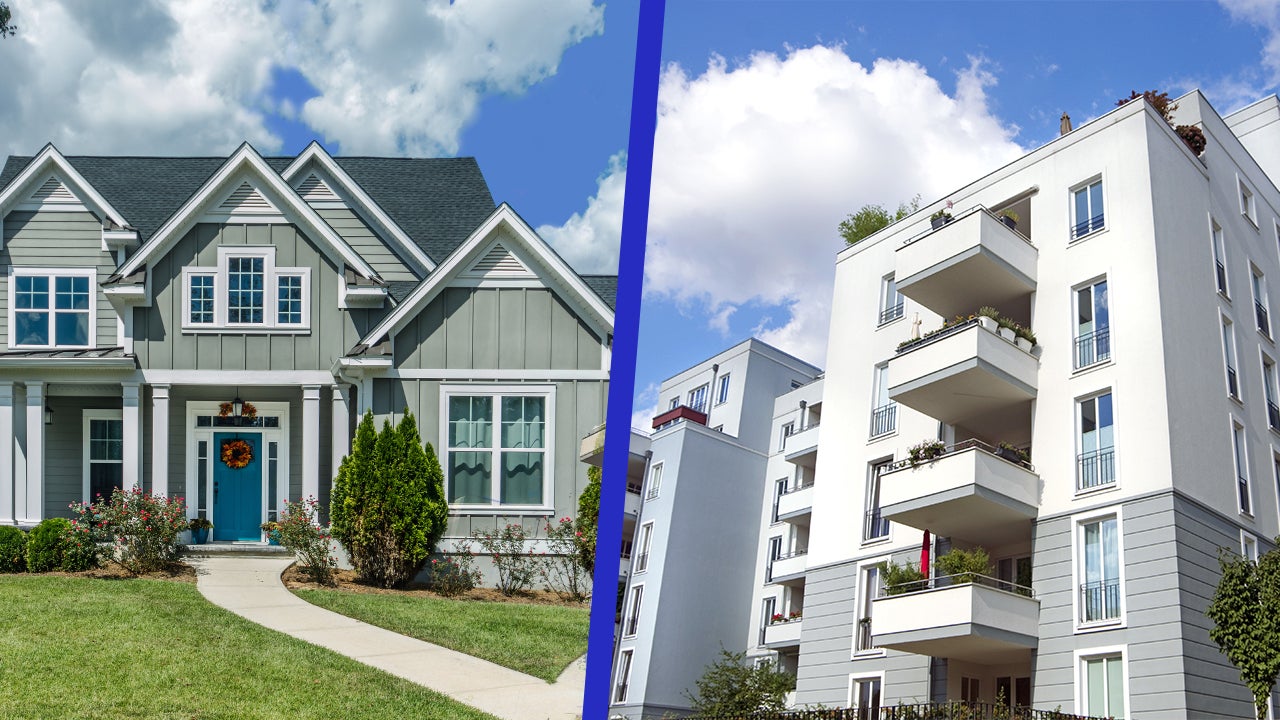
Westchester County Condo vs. Single-Family Home: Which Is Right for You?
Deciding where to live in Westchester County is exciting—whether you’re moving from afar or upgrading from your starter home. But one of the biggest questions on every buyer’s mind is this: Should you choose a condo or a single-family home? Each option offers a different lifestyle, cost structure, and set of responsibilities. Let’s break it down so you can make an informed choice that fits your needs and goals.
Condo Living in Westchester County
Condos are appealing for many buyers because they often come with less maintenance and a more community-oriented lifestyle.
What You’ll Love About Condos
-
Low Maintenance – Exterior upkeep, landscaping, and building repairs are typically handled by the homeowners association (HOA).
-
Community Amenities – Some developments offer features like fitness centers, pools, clubhouses, and security systems.
-
Location Benefits – Condos are often closer to shops, restaurants, and transit—perfect for commuters heading into NYC.
-
Affordability Entry Point – Condos typically cost less upfront than single-family homes in Westchester’s more expensive markets.
Consider Before You Buy
-
HOA Fees – Monthly dues can add up, and sometimes include additional assessments.
-
Rules & Restrictions – HOAs regulate many aspects of condo life (pets, rentals, renovations).
-
Less Privacy – Shared walls and common areas mean closer neighbors.
Best For: First-time buyers, commuters, downsizers, or anyone craving low-maintenance living.
Single-Family Homes in Westchester County
Single-family houses offer space, privacy, and freedom—but also come with greater responsibility.
Why People Love Single-Family Homes
-
More Space – Larger yards, multiple bedrooms, and separate living areas are great for growing families.
-
Privacy & Control – No shared walls, fewer restrictions, and freedom to customize your home and property.
-
Potential for Appreciation – Single-family homes often retain long-term value thanks to land ownership.
-
Outdoor Recreation – Yards, patios, and outdoor space make room for gardening, play areas, and entertaining.
Challenges to Consider
-
Maintenance Is On You – Roofs, landscaping, and systems like HVAC must be cared for (and budgeted for).
-
Higher Upfront Costs – Single-family homes generally cost more than condos in comparable neighborhoods.
-
Utilities & Services – Larger spaces often mean higher utility bills.
Best For: Families, long-term owners, anyone craving outdoor space and independence.
Side-by-Side Comparison
| Feature | Condo | Single-Family Home |
|---|---|---|
| Cost | Typically lower purchase price | Generally higher price |
| Maintenance | Managed by HOA | Owner’s responsibility |
| Privacy | Shared walls & common areas | Full privacy, individual property |
| Space | Limited indoor & outdoor space | Larger lots & rooms |
| Amenities | Often included | Usually none (unless you add them) |
| Community Rules | HOA regulations | Few to none |
Questions to Ask Yourself
To hone in on what’s right for you, consider:
-
How long do you plan to stay?
-
Condos can be great for shorter ownership horizons.
-
-
Do you want outdoor space?
-
Single-family homes win out here.
-
-
How much maintenance do you want to handle?
-
Condos take the load off.
-
-
Is access to transit important?
-
Condos near hubs like White Plains or Yonkers make commuting easier.
-
🏡 Final Thoughts
There’s no one-size-fits-all answer to the condo vs. single-family home question in Westchester County. It ultimately comes down to your personal priorities—whether that’s convenience, space, privacy, or lifestyle.
Condos offer simplicity and low maintenance.
Single-family homes offer room to grow and more control.
Both paths lead to beautifully unique Westchester living—so take your time, weigh your options, and choose the home that feels right for your future. If you are ready to start looking, call me at 646-421-4467

Buying a home in Westchester County, from Scarsdale and Larchmont to Yonkers and beyond, can feel like walking into an auction. With limited inventory and strong demand, properties often receive multiple offers within hours of listing. In that environment, a strong offer isn’t just about price, it’s about strategy, timing, and understanding what sellers value most.
Here’s how you can position yourself to win in a multiple-offer scenario.
1. Get Your Finances in Order and Show It
Before you even step foot in a property:
Get pre-approved (not just pre-qualified) for a mortgage, and have that letter ready to include with your offer. Sellers want assurance that financing isn’t the weak link.
Cash offers or strong down payments or proof of funds with proof of financing signal serious commitment.
In a competitive Westchester market, sellers are more likely to choose offers that minimize the risk of financing falling through.
2. Make a Strong, Clean Offer Upfront
In a multiple-offer situation, you usually don’t get a second chance to impress:
Lead with your best price from the start. Lowball offers rarely gain traction when other buyers are competitive.
Consider an escalation clause: this can automatically increase your offer up to a predetermined cap if a higher bid comes in. It keeps you in the race without overpaying too early.
Striking the right balance between a strong offer and financial responsibility is key.
3. Minimize Deal-Killing Contingencies
Every contingency is a potential point of negotiation, and a risk to the seller:
Shorten inspection and financing timelines or, if you’re confident in the property, limit or waive certain contingencies.
Be thoughtful here: waiving protections like inspections carries risk, so talk through options with your agent and understand what you’re agreeing to.
Even tightening timelines (e.g., 5–7 day inspection period) shows commitment.
4. Be Flexible With Seller Needs
Terms matter just as much as dollars:
Ask the seller’s agent about the ideal closing date then tailor your offer to fit. Some sellers want a quick close; others need extra time.
Offer flexibility on occupancy or rent-backs if they’re relocating and need time after closing.
These non-monetary components can set your offer apart from others.
5. Work With a Local, Experienced Realtor
A savvy Westchester agent is worth their weight in gold:
They know neighborhood comps and can advise on competitive pricing.
They can communicate efficiently with listing agents to understand what the seller truly values.
They help manage deadlines, revisions, and negotiations in real time; critical in a fast-moving market.
Local expertise isn’t optional, it’s essential.
6. Communicate Quickly and Clearly
Responsiveness matters. Multiple-offer situations move fast; delays can cost you the deal. Being immediately reachable for counteroffers and providing signatures quickly helps your offer stay competitive.
7. Personal Touches, Use With Care
Some buyers write a brief letter to the seller expressing why they love the home. In certain cases, this can humanize an offer and make it more memorable — especially when offers are similar on paper.
However, this is not always recommended and must be done carefully to avoid bias or fair housing concerns.
8. Know When to Walk Away
Competition can be intense and emotions high but don’t let fear of losing push you beyond your budget or comfort zone. Setting firm limits on how much you’re willing to pay protects you long term.
Final Thoughts
Competing in a multiple-offer situation in Westchester County requires a blend of financial preparation, strategic offer construction, flexibility, and local market knowledge. While a strong price is important, the terms you offer and your readiness to close often tell sellers more about your seriousness.
Partner with an expert agent, stay adaptable, and approach the process with a clear strategy and you’ll give yourself the best chance to land the home you want.
Call me at 646-421-4467 to begin your home search now!

What “Under Contract” Actually Means in New York Real Estate
If you’ve been browsing homes online or following the local real estate market, you’ve probably seen listings marked “Under Contract.” But what does that really mean—Is the home officially sold? Can other buyers still make offers? And where exactly is the seller in the sales process?
In New York, the phrase “under contract” has a very specific meaning. Here’s a simple breakdown so you know exactly where things stand when you see it.
First: “Under Contract” means both parties have signed
In New York, a deal is considered “under contract” only after:
-
the buyer and seller have both signed the fully negotiated purchase contract, and
-
the buyer has delivered the contract deposit (usually 5–10% of the purchase price) to the seller’s attorney to be held in escrow.
Before those two things happen, the property is not officially under contract—even if a price has been verbally agreed on.
That period before signing is typically called “accepted offer” or “offer accepted,” and it’s much less secure.
What happens before a property goes under contract?
Here’s the usual New York progression:
-
Buyer submits an offer
-
Seller accepts the offer
-
Attorneys draft and negotiate contracts
-
Buyer completes inspections and due diligence
-
Buyer signs the contract
-
Seller signs - Now it’s officially under contract
Because New York is an attorney state, contracts are handled by lawyers, and this step-by-step process matters.
So… is the home officially off the market?
Usually, yes.
Once a property is under contract, sellers generally stop showing it and mark it as:
-
“Under Contract”
-
“Contract Signed”
-
“Pending”
But here’s something many buyers don’t realize:
The sale isn’t final yet.
The deal still needs to move through:
-
the mortgage process (if financing)
-
appraisal
-
title search
-
final walk-through
-
closing
Until the closing occurs and the deed transfers, the home is not considered “sold.”
Can another buyer still make an offer?
Short answer: technically yes, practically it depends.
In New York:
-
Backup offers can still be submitted
-
Sellers can receive and hold** backup offers
-
Sellers usually cannot break a fully executed contract just to take another offer
However, contracts may fall apart due to:
-
inspection issues
-
financing denial
-
low appraisal
-
title problems
-
cold feet
So backup buyers sometimes do end up getting the home.
That’s why agents will say:
“Feel free to submit a backup offer.”
It doesn’t interfere with the current deal, but positions you next in line if it collapses.
Can a seller accept another offer once under contract?
Once both parties are under a fully executed contract, the seller is legally committed, unless a specific contract contingency allows an exit.
Typical reasons a contract may be canceled include:
-
buyer cannot obtain financing
-
inspection or structural issues lead to termination
-
buyer and seller cannot agree on repairs or credits
-
title defects cannot be resolved
However, simply taking a “better offer” is not a valid reason to cancel most New York contracts.
What if you’re the buyer and the status is “under contract”?
Here’s what it means for you if you had your eye on the property:
-
You likely cannot buy it unless the existing deal falls apart
-
You can submit a backup offer
-
You should keep searching and not pause your home-buying plans
-
Set alerts, sometimes listings quietly return to market
Homes do come back, but waiting on just one is risky.
Bottom line
In New York real estate, “Under Contract” means:
✔ contracts are fully signed
✔ deposit is in escrow
✔ buyer & seller are committed
✘ but the home is not officially sold yet
Think of it as “almost there,” with closing still ahead.
If you’re thinking about buying or selling in New York and want help navigating offers, contracts, and negotiations, I’d be happy to guide you through each step. The process can feel complex—but with the right support, it doesn’t have to be stressful.
Just reach out anytime with questions at 646-421-4467

Why So Many NYC Buyers Are Moving to Westchester County
In recent years, Westchester County has become one of the hottest relocation destinations for New York City buyers. From urban professionals and young families to retirees and remote workers, people are increasingly choosing the leafy suburbs just north of the city over life in the five boroughs. But what’s driving this trend? Let’s break down the key reasons behind this growing migration.
1. Space, Nature & a Better Quality of Life
One of the most basic, yet powerful, reasons NYC buyers are heading to Westchester is simple: more space. After years of city living in increasingly crowded apartments, many people crave larger homes, yards, and outdoor space. Westchester delivers that without sacrificing access to parks, riverfront views, and an overall more relaxed pace of life that’s hard to find in the urban core.
This desire for room to live, play, and work has only been amplified by broader lifestyle changes brought on by the pandemic and the rise of remote and hybrid work. Buyers now prioritize homes with offices, flexible layouts, and yards, all features more achievable outside Manhattan and Brooklyn.
2. Strong Motivation from Remote and Hybrid Work
The rise of remote work has forever changed how people value proximity to the office. No longer tied to daily commutes into Manhattan, many professionals are choosing suburbs that offer a better work–life balance. Westchester’s connectivity to NYC via Metro-North makes it simple to commute when needed, but its neighborhoods also support full-time remote lifestyles with quieter surroundings and more room for a home office.
3. Education & Family-Friendly Communities
For families, school districts are a major draw. Westchester is home to numerous highly rated public schools, an especially strong incentive for parents seeking excellent education options for their children, something that can be challenging to secure in many parts of NYC.
Beyond academics, the county offers safe, walkable towns, community events, and plenty of green space, ideal for raising kids in an environment that’s both secure and stimulating.
4. Taxes, Safety & Suburban Comfort
While Westchester isn’t cheap, it does provide some financial advantages to those relocating from NYC. Many towns in Westchester do not impose a resident income tax, a contrast to New York City’s rate, which is approaching 4%, and this has become a talking point among prospective buyers.
Safety is another major theme in conversations with relocating buyers. The perception (and often reality) of safer, quieter streets encourages those who want peace of mind for evening walks, family outings, and outdoor play spaces.
5. Cultural & Economic Vitality Without the Hustle
Despite its reputation as a suburban escape, Westchester doesn’t lack culture or economy. The county hosts a vibrant arts scene, museums, theaters, and boutiques — not to mention headquarters for major employers and local businesses that create jobs and community identity.
This mix of cultural richness and economic opportunity gives residents a fulfilling lifestyle that blends the best aspects of both suburban living and metropolitan access.
6. A Market Fueled by Shifting Sentiment
Interestingly, local real estate professionals have even attributed parts of the recent surge in Westchester interest to changing political and economic sentiment in NYC. Some buyers have cited upcoming election dynamics and uncertainty around urban policy as additional reasons to explore suburban life.
With sales up and homes receiving multiple offers in many Westchester towns, the market is clearly responding to the uptick in buyer interest, especially from people who previously identified as lifelong city dwellers.
A Trend That’s More Than Just a Phase
The move from NYC to Westchester County reflects deeper changes in how people think about home, work, family, and community. Whether driven by work flexibility, space needs, school priorities, or simply a desire for a different way of life, this migration is reshaping the real estate landscape north of the city.
As long as buyers continue to balance the benefits of urban access with the appeal of suburban comfort, Westchester is likely to remain one of the Northeast’s most desirable places to live.
Preparing to Buy a Home in the New Year: What New York Buyers Need to Know
A new year brings fresh opportunities, and for many New Yorkers, that includes the goal of buying a home. Whether you’re a first-time buyer or planning your next move, preparing before you start touring homes can make all the difference in a competitive and fast-moving market like New York.
Here’s what it really takes to prepare to buy a home in the new year and set yourself up for success.
1. Get Clear on Your Financial Picture Early
Before falling in love with listings, take time to understand where you stand financially. This step is crucial in New York, where price points, taxes, and closing costs can vary significantly by location. Southern Westchester like New Rochelle, White Plains or Scarsdale, may find you a different price point than say, Pleasantville or Peekskill or Yorktown Heights.
Start by:
-
Reviewing your credit report and addressing any issues
-
Paying down high-interest debt if possible
-
Avoiding major purchases or new credit lines
-
Saving for upfront costs, not just the down payment
In New York, buyers should also budget for closing costs, which can include attorney fees, inspections, title insurance, mortgage recording taxes, and more. Planning ahead helps avoid surprises later.
2. Speak With a Lender Before You Shop
One of the biggest mistakes buyers make is waiting too long to talk to a lender. Getting pre-approved, not just pre-qualified, gives you a realistic price range and shows sellers you’re serious.
A lender can help you:
-
Understand current mortgage options and rates
-
Estimate monthly payments, including taxes and insurance
-
Explore first-time buyer programs or grants
-
Identify how much cash you’ll need at closing
In a competitive New York market, a strong pre-approval can make your offer stand out.
3. Define Your Must-Haves vs. Nice-to-Haves
The new year is the perfect time to get honest about what you truly need in a home. New York buyers often have to balance space, location, and budget, so clarity is key.
Ask yourself:
-
Which neighborhoods fit your lifestyle and commute?
-
Are you open to a co-op, condo, or single-family home?
-
How important are outdoor space, parking, or in-unit laundry?
-
What compromises are you willing to make?
Having these conversations early helps streamline your search and reduces decision fatigue.
4. Understand Your Local Market
New York is not a one-size-fits-all market. Conditions can vary dramatically between NYC, Westchester, Long Island, and upstate areas, and even from one neighborhood to the next.
Preparing to buy means understanding:
-
Current inventory levels
-
Average days on market
-
Pricing trends
-
Common negotiation strategies
Working with a local agent who knows your target area is essential to interpreting the data and timing your purchase strategically.
5. Prepare Emotionally for the Process
Buying a home in New York can be exciting—but also emotional and, at times, stressful. Multiple-offer situations, strict co-op boards, inspections, and negotiations all require patience and perspective.
Go into the new year knowing:
-
The right home is worth waiting for
-
Losing a bidding war doesn’t mean failure
-
Flexibility often leads to better outcomes
Being mentally prepared is just as important as being financially ready.
6. Build Your Buying Team
A successful New York purchase usually involves more than just a buyer and seller. Preparing in advance means assembling the right professionals early, including:
-
A trusted real estate agent
-
A local mortgage lender
-
A real estate attorney
-
A qualified home inspector
Having your team in place before you make an offer allows you to move quickly and confidently when the right home comes along.
Final Thoughts
If buying a home is on your vision board for the new year, preparation is your greatest advantage. By getting your finances in order, understanding the market, and working with experienced professionals, you can start your home search informed, confident, and ready to act.
The new year is full of possibility—and with the right preparation, homeownership in New York can be one of them.
If you’re thinking about buying this year and want guidance tailored to your goals and budget, I’m always happy to help you plan your next move. Give me a call at 646-421-4467.

As a New York real estate agent in Westchester County working with buyers, sellers, and renters every day, I can confidently say this: the market is still moving—but strategy matters more than ever.
A Market Defined by Balance (and Timing)
New York real estate today is best described as market-specific, not one-size-fits-all. Some neighborhoods are still experiencing strong demand and multiple-offer situations, while others are offering buyers more breathing room than we’ve seen in years.
Interest rates have shifted buyer behavior. Many buyers are cautious but serious. They’re educated, prepared, and value-driven. Sellers, on the other hand, are learning that pricing accurately from day one is critical. Homes that are priced well and presented properly are selling. Homes that are overpriced tend to sit.
What This Means for Buyers
If you’re buying in New York right now, this can actually be a great time if you’re prepared.
Buyer advantages today:
- Less competition compared to peak frenzy years
- More room to negotiate price, closing costs, or repairs
- Opportunities in neighborhoods that were previously out of reach
That said, the best homes still move quickly. Having your finances in order and working with an agent who knows how to structure a strong, clean offer is key.
What This Means for Sellers
For sellers, success today is about strategy, not shortcuts.
Homes that sell well typically have:
- Accurate pricing based on current market data
- Strong marketing (professional photos, video, online exposure)
- A clear understanding of buyer expectations
Buyers are no longer willing to overlook condition or price just to “win.” Presentation matters, and so does flexibility.
My Advice
Whether you’re buying or selling in New Rochelle, Pelham or Peekskill, today’s New York market rewards preparation, patience, and professional guidance. The opportunities are there. You just need the right plan.
If you are ready to start this journey, call me at 646-421-4467.
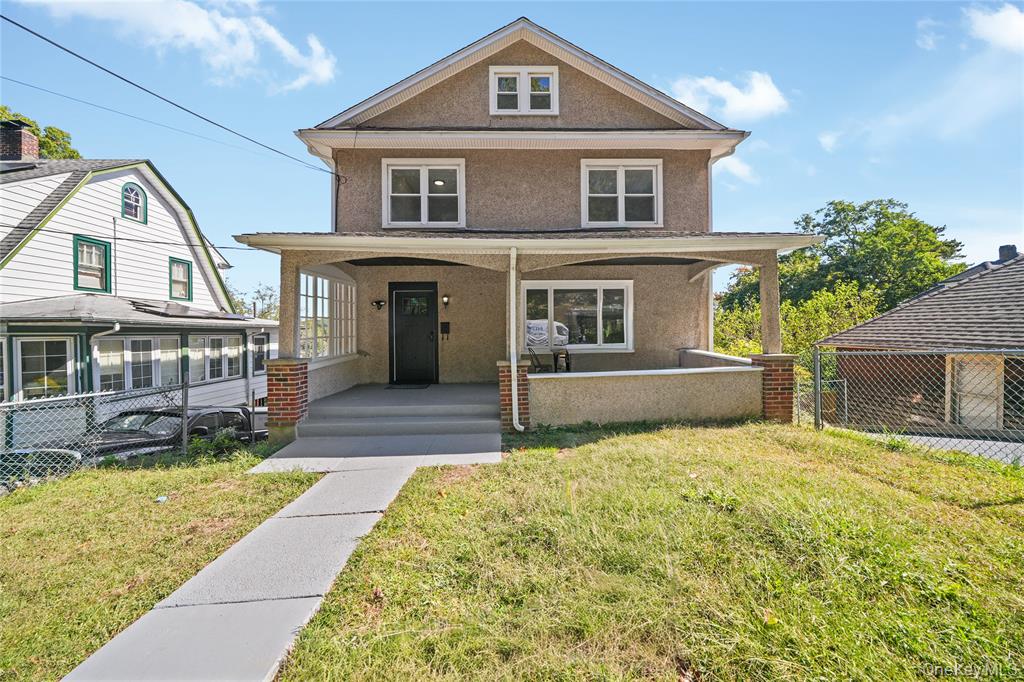
Can properties with modern renovations, 3 bedrooms and a pool sell for under $620,000 these days? I’m glad you asked. 511 Decatur Ave just closed for $620,000 and is ready to call home.
Experience the charm of Peekskill with this unique property at 511 Decatur Avenue. Nestled on a generous 6,000 square foot lot, this well-maintained home presents a unique opportunity for those who appreciate the blend of modern living and classic appeal. The open space invites creativity, making it a prime canvas for your renovation dreams. 3 Bedroom with 2 Full Bathrooms. This property shines with potential, offering ample room for customization to suit your lifestyle. Whether you're envisioning a modern oasis or a minimalist retreat, the possibilities are endless. The surrounding neighborhood complements the home's serene setting, providing a peaceful atmosphere for any future developments. With its spacious lot, the property encourages outdoor activities and landscaping projects. Imagine creating a vibrant garden or an inviting patio area to enjoy warm evenings. Its prime location in the heart of Peekskill ensures you're never far from the area's vibrant culture and amenities. Seize this opportunity to transform 511 Decatur Avenue into your dream home, where modern elegance meets timeless charm.
This one is gone, but we have more. Just call 646-421-4467 and I will help you find your dream home.

What Price Range Should I Realistically Be Looking at Based on My Budget?
One of the most common questions buyers ask at the beginning of their home search is: “What price range should I realistically be looking in?”
Many buyers start by focusing only on the purchase price of the home. However, the true cost of owning a home includes several other factors that can significantly affect your monthly payment and overall affordability.
As a buyer’s agent, part of my role is helping you understand the full financial picture so you can shop confidently within a price range that makes sense for your budget, not just today, but long term.
Let’s walk through what actually determines a realistic home price range.
1. Your Monthly Comfort Level
Before we even start touring homes, I like to talk with buyers about their monthly comfort level.
Your lender may approve you for a certain loan amount, but that doesn’t always mean that number fits comfortably into your lifestyle. Some buyers prefer to keep their monthly housing costs lower so they can still travel, save, or invest.
We work together to determine a payment range that includes:
-
Mortgage payment
-
Property taxes
-
Homeowners insurance
-
Utilities
-
Maintenance
This helps ensure you’re not stretching your budget too thin.
2. Property Taxes
Property taxes can vary widely depending on the town, school district, and property.
In many areas, taxes can add hundreds or even thousands of dollars per month to your housing payment.
For example:
-
A $600,000 home with lower taxes may cost the same monthly as
-
A $525,000 home with higher taxes
That’s why an experienced agent helps buyers look at the total monthly cost, not just the purchase price.
3. Insurance Costs
Homeowners insurance is another factor buyers often underestimate.
Insurance premiums can vary depending on:
-
Location
-
Size of the home
-
Age of the property
-
Flood zone status
While insurance may seem small compared to the mortgage payment, it still contributes to your monthly housing expense and should be included in your budget planning.
4. HOA or Condo Fees
If you’re considering a condo, townhouse, or co-op, there may also be HOA or maintenance fees.
These fees can cover things like:
-
Landscaping
-
Snow removal
-
Exterior maintenance
-
Amenities like pools or gyms
-
Building insurance
Some communities have modest fees, while others can be several hundred dollars, or more, per month. Factoring this into your budget can change which price range makes the most sense.
5. Maintenance and Repairs
Unlike renting, owning a home means you are responsible for maintenance and repairs.
A good rule of thumb is to budget roughly 1-2% of the home’s value per year for maintenance.
For example:
-
A $500,000 home may require $5,000–$10,000 per year in maintenance
This includes things like:
-
Appliance replacement
-
Roof repairs
-
HVAC servicing
-
Plumbing issues
-
General upkeep
Planning for these costs helps prevent financial stress after you move in.
6. Your Down Payment
Your down payment also affects your price range.
A larger down payment can:
-
Lower your monthly mortgage payment
-
Reduce or eliminate private mortgage insurance (PMI)
-
Potentially allow you to compete more strongly in competitive markets
Understanding how your down payment impacts your purchasing power helps narrow down the right price range.
7. The Role of Your Pre-Approval
Getting pre-approved by a lender is one of the most important early steps in the home buying process.
A pre-approval helps determine:
-
Your borrowing capacity
-
Estimated interest rate
-
Monthly payment estimates
-
Loan program options
Once we have this information, we can refine your home search to properties that truly fit your financial goals.
Final Thoughts
The right home price range isn’t just about what a bank will lend you, it’s about what makes sense for your overall financial lifestyle.
An experienced agent helps you evaluate the complete cost of ownership, including taxes, insurance, HOA fees, and maintenance, so you can make a smart and sustainable decision.
When buyers understand their true budget from the beginning, the home search becomes much more focused, less stressful, and ultimately more successful.
If you’re thinking about starting your home search, I’m always happy to help you break down the numbers and determine a price range that fits your goals and your comfort level.
Call me, Jeselle, at 646-421-4467 or email me at jeselle.eli@randrealty.com to get started.

What the New NAR Rules Mean for Home Buyers and Sellers
In August 2024, a major shift rippled through the U.S. real estate market when the National Association of Realtors (NAR) implemented new rules tied to a landmark legal settlement. The changes fundamentally altered how real estate agent commissions are handled, bringing greater transparency and negotiation power to both buyers and sellers, and forcing everyone to rethink long-held assumptions about the home-buying process.
Why the Rules Changed
The new practices stem from a federal lawsuit alleging that traditional real estate commission structures, where sellers typically paid for both their agent and the buyer’s agent, were anticompetitive and lacked transparency. To settle the case, NAR agreed to a $418 million payout and significant operational changes that took effect nationwide on August 17, 2024.
For Home Buyers: More Clarity and More Decision-Making
One of the biggest shifts for buyers involves how they work with agents and how agent compensation is handled:
Written Agreements Are Required Before Tours
Before 2024, buyers could tour homes with agents without signing formal contracts. Now, if a buyer is working with an agent who uses the MLS (Multiple Listing Service), a written buyer-broker agreement detailing exactly what services the agent will provide and how much they’ll be paid must be signed before touring homes, whether in person or virtually.
What this means:
-
Buyers must think earlier about representation terms.
-
Buyers know upfront what they’re paying and what they’re getting, no surprises later.
Buyer Agent Compensation Must Be Negotiated
Under the old system, sellers typically offered a buyer-agent commission that appeared on MLS listings and worked like an implicit part of the home price. That’s no longer allowed. Sellers can still choose to pay a buyer’s agent, but that offer can’t be publicly displayed on the MLS anymore, and buyers may negotiate compensation directly with their agent.
This change encourages buyers to:
-
Ask agents about fees upfront.
-
Compare fee structures and services among agents.
-
Potentially negotiate lower or alternative fee arrangements, like flat fees or hourly rates, instead of standard percentages.
For Home Sellers: Flexibility and Strategy in Commission Offers
Sellers, too, are seeing meaningful shifts:
Sellers Are Not Obligated to Pay Buyer Agent Fees
Traditionally, sellers covered commissions for both their own listing agent and the buyer’s agent, often totaling around ~5-6 % of the sale price. Under the new rules, sellers are no longer required to pay the buyer’s agent’s commission, though many still do, especially in competitive markets to attract buyer interest.
What this means:
-
Sellers can decide which commissions they will cover, and must strategize to make their incentives appealing to buyers and buyer agents.
-
Some sellers may offer higher commissions off-MLS directly, outside the public listing.
-
Price negotiations may now include commission decisions as part of the deal.
More Room to Negotiate With Your Agent
With the old “standard” commission model loosening, sellers now have greater flexibility to set commission terms with their listing agents. Some sellers are negotiating lower rates in exchange for limited services, while others agree to custom deals that better reflect their market conditions and goals.
The Market After a Year: Mixed Early Results
A year into these changes, the outcomes are still unfolding:
Positive trends include: increased transparency, earlier compensation discussions, and more options for fee structures.
Challenges include: some agents and firms quietly preserving old arrangements through private negotiations, and limited awareness among buyers and sellers about how to leverage these new rules to their advantage.
Many professionals believe the real impact will unfold over several years as more consumers embrace negotiation and alternative models rather than expecting commissions to be automatically included.
In other words: agents who can clearly articulate their value and fees are gaining an edge.
What Buyers and Sellers Can Do Now
Whether you’re buying or selling, here’s how to work with the new landscape:
For Buyers
-
Shop around for agents and compare their services and fee structures.
-
Expect to sign a written commission agreement early in your search.
-
Ask whether the seller intends to contribute toward your agent’s fees.
For Sellers
-
Consider how commission offers may influence buyer agent interest.
-
Negotiate commission terms consciously with your own agent.
-
Understand that buyers are now paying closer attention to agent costs and overall transaction transparency.
Final Thoughts
The NAR rule changes from last year represent one of the most significant shifts in U.S. real estate practice in decades. By decoupling long-standing assumptions about commissions and empowering buyers and sellers to negotiate terms earlier and more transparently, the market has taken a step toward greater consumer control. The full impact will continue to play out, but the trend is clear: clarity, negotiation, and preparation are now essential for anyone entering the real estate space.
