
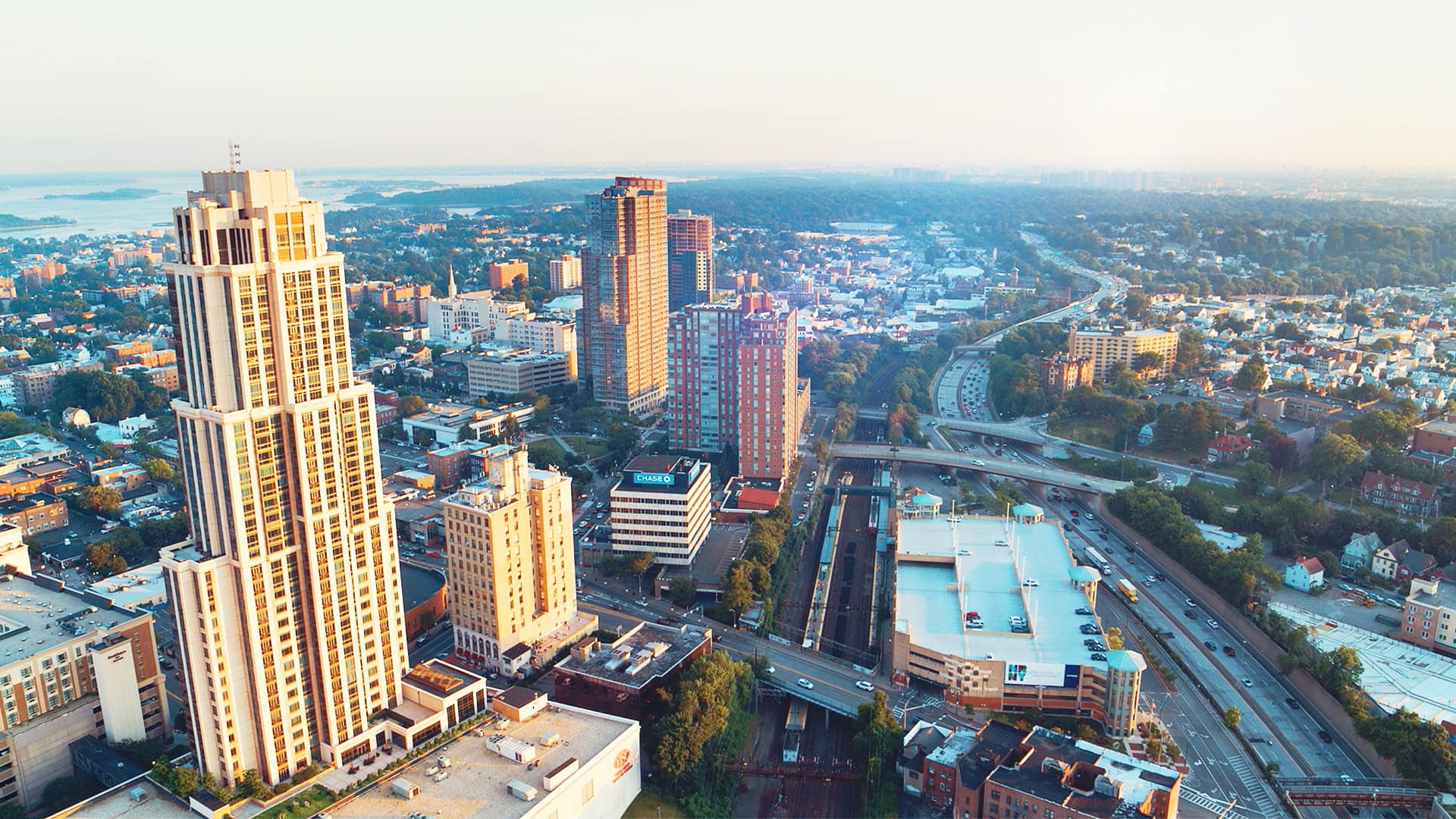
10 Tips for Making an Offer on a Single-Family Home in New Rochelle, NY
New Rochelle’s single-family home market is competitive, diverse, and full of opportunity. Whether you’re drawn to tree-lined North End neighborhoods, the historic homes near the waterfront, or quiet suburban streets close to parks and schools, being prepared before you write an offer can make all the difference between getting the keys or missing out.
Here are 10 practical tips to help you make a strong, smart offer on a single-family home in New Rochelle, NY.
1. Get pre-approved before you start looking
In today’s market, a pre-qualification isn’t enough. A full pre-approval shows sellers you’re serious and financially ready. It strengthens your offer and can even help you compete against higher-priced bids. It also gives you a clear price range so you stay focused and confident.
2. Understand the local New Rochelle market
Different parts of New Rochelle move at different speeds. Some neighborhoods see multiple offers within days, while others allow a bit more negotiation room. Look at:
-
recent comparable sales
-
average days on market
-
list-to-sale price ratios
Working with a local agent who knows New Rochelle specifically, not just Westchester County in general, helps you position your offer correctly.
3. Know your must-haves vs. nice-to-haves
Single-family homes vary widely in age, layout, and condition. Before you write an offer, get clear on:
-
minimum bedroom/bath needs
-
yard size or garage requirements
-
commute preferences
-
school district priorities
This helps you move quickly and confidently when the right property comes up.
4. Be realistic about price, especially in popular areas
In competitive pockets of New Rochelle, homes may sell at or above list price. If you love the home and it’s priced appropriately based on recent sales, be prepared to write a strong, realistic offer rather than assuming there will be lots of room to negotiate.
5. Consider your contingencies carefully
Common contingencies include:
-
home inspection
-
mortgage/financing
-
appraisal
These protect you—but too many can weaken your offer in a multiple-bid situation. The goal isn’t to waive everything; it’s to balance protection with competitiveness. A good agent will walk you through safe ways to strengthen your offer without exposing yourself to unnecessary risk.
6. Be prepared to act quickly
Desirable single-family homes in New Rochelle do not sit long. Have your documents ready, your decision-makers available, and your pre-approval in hand. If the home fits your needs and budget, hesitation alone can cost you the opportunity.
7. Include earnest money to show commitment
An earnest money deposit (EMD) signals you’re serious about purchasing. A solid deposit can reassure sellers that you’re committed to closing. Don’t worry, this money is typically credited back to you at closing as part of your down payment or closing costs.
8. Write an offer that tells a full story, not just a number
Price matters, but sellers also care about:
-
closing timeframe
-
flexibility with move-out dates
-
strength of financing
-
level of contingencies
Sometimes, the “cleanest” offer wins, not necessarily the highest one.
9. Rely on your agent during negotiations
Your real estate agent will help you:
-
understand the seller’s priorities
-
analyze comps
-
structure terms strategically
-
respond to counter-offers
Negotiation in New Rochelle can move fast. Having a professional advocate who understands the local inventory and seller expectations can save you both money and stress.
10. Don’t skip the inspection, even if the house shows beautifully
Many New Rochelle homes were built decades ago, and even well-maintained homes can have hidden issues behind walls, in basements, or in older systems. A professional inspection helps you understand:
-
roof age
-
electrical and plumbing condition
-
foundation issues
-
possible water intrusion
This isn’t about killing the deal, it’s about protecting your investment and planning ahead.
Final thoughts
Making an offer on a single-family home in New Rochelle, NY is exciting, but it’s also a major financial decision. Preparation, local expertise, and smart strategy are key. With the right guidance, you can position yourself to succeed and move confidently toward homeownership in one of Westchester’s most vibrant cities.
If you’re thinking about buying in New Rochelle or anywhere in Westchester County, I’d be happy to guide you through the process from start to finish. Reach out anytime to get started! Give me a call at 646-421-4467.

From Offer to Closing: What the Full Home Buying Timeline Looks Like
For many buyers, getting an offer accepted feels like the finish line. In reality, it’s the beginning of the final phase of the home buying journey.
One of the most common questions buyers ask me is: “What happens next?”
Understanding the timeline from accepted offer to closing day helps you feel prepared and confident throughout the process. While every transaction is unique, most home purchases in Westchester County follow a fairly predictable sequence.
Here’s what you can expect.
Step 1: Offer Accepted (Day 0)
Once the seller accepts your offer, the property is typically marked accepted offer or under contract in the local MLS. This means the seller has agreed to your price and general terms.
However, in New York, an accepted offer is not legally binding yet. The deal becomes binding only after contracts are signed by both parties.
At this stage, your attorney and the seller’s attorney will begin preparing the formal contract.
Step 2: Attorney Review and Contract Preparation (3-7 Days)
In New York real estate transactions, attorneys play a major role.
During this phase:
-
The seller’s attorney prepares the contract.
-
Your attorney reviews it carefully.
-
Due diligence begins (reviewing title, property disclosures, building permits, etc.).
If any issues arise, the attorneys negotiate revisions before the contract is finalized.
Step 3: Home Inspection (Usually Within the First Week)
Most buyers schedule the home inspection immediately after the offer is accepted.
A licensed inspector evaluates the home’s major systems, including:
-
Roof
-
Foundation
-
Plumbing
-
Electrical
-
HVAC
-
Structural components
If the inspection reveals significant concerns, you may negotiate repairs or credits with the seller.
This step is critical because it gives you a clearer understanding of the property before you commit to the purchase.
Step 4: Contract Signing and Deposit (About 7-10 Days)
Once inspection issues are resolved and attorneys approve the contract:
-
You sign the contract.
-
You submit your earnest money deposit, typically about 10% of the purchase price in New York.
After the seller signs the contract as well, the home is officially under contract.
At this point, the deal becomes legally binding.
Step 5: Mortgage Application and Loan Processing (30-45 Days)
If you’re financing the purchase, the lender now begins the formal loan process.
This includes:
-
Submitting updated financial documentation
-
Credit verification
-
Income and employment checks
-
Asset verification
-
Loan underwriting
Your lender will also order an appraisal to confirm the property’s value supports the loan amount.
The underwriting process is often the longest part of the transaction.
Step 6: Appraisal and Mortgage Commitment
The appraisal determines whether the home’s value aligns with the purchase price.
If the appraisal comes in:
-
At or above the purchase price: the loan process continues normally.
-
Below the purchase price: you may need to renegotiate or adjust your financing.
Once underwriting is satisfied, the lender issues a mortgage commitment, confirming they are prepared to fund the loan.
Step 7: Title Search and Closing Preparation
While the mortgage is being finalized, your attorney conducts a title search to ensure the property has no outstanding legal claims or ownership disputes.
Your attorney will also coordinate with:
-
The lender
-
The seller’s attorney
-
The title company
Together they prepare the final documents needed for closing.
Step 8: Final Walkthrough (Usually 24-48 Hours Before Closing)
Before closing, you will do a final walkthrough of the home.
This ensures:
-
The property is in the same condition as when you agreed to purchase it.
-
Any negotiated repairs have been completed.
-
The seller has moved out (unless otherwise agreed).
It’s essentially your last chance to confirm everything is as expected.
Step 9: Closing Day
Closing day is when ownership officially transfers.
At closing you will:
-
Sign your mortgage and legal documents
-
Pay your closing costs
-
Transfer the remaining funds for the purchase
Once the documents are signed and funds are distributed, the deed is recorded and the home is officially yours.
And yes, this is when you finally receive the keys.
How Long Does the Entire Process Take?
In most cases, the timeline from accepted offer to closing in Westchester County is about:
45-60 days
However, this can vary depending on financing, inspections, and the complexity of the transaction.
Final Thoughts
Buying a home involves several moving parts, but when you understand the timeline, the process becomes far less overwhelming.
As your agent, my role is to guide you through each stage, coordinating with attorneys, lenders, inspectors, and the seller’s team to keep everything moving smoothly.
If you’re preparing to buy and want to understand exactly what the process will look like for your situation, I’m always happy to walk you through it step by step.
Call me, Jeselle at 646-421-4467 or email me at jeselle.eli@randrealty.com to get started.

What Price Range Should You Realistically Be Looking At Based on Your Budget?
A Westchester Buyer’s Guide to Shopping Smart
One of the first questions buyers ask me is:
“What price range should I realistically be looking in?”
It’s a smart question, and the answer isn’t just your pre-approval number.
As a buyer in Westchester County, understanding your true comfort zone (not just your maximum approval) is the key to buying confidently and sustainably.
Let’s break it down.
1. Your Pre-Approval Is the Ceiling, Not the Target
Just because a lender approves you for $800,000 doesn’t mean you should shop at $800,000.
Lenders qualify you based on debt-to-income ratios, not lifestyle goals. They don’t account for:
-
Travel plans
-
Private school tuition
-
Future children
-
Career changes
-
Savings goals
-
Emergency reserves
I always tell my buyers:
Your ideal price range is where you feel financially strong, not stretched.
2. Look at the Full Monthly Payment, Not Just Purchase Price
In Westchester, property taxes can significantly impact affordability.
For example:
-
A $700,000 home in New Rochelle may have very different taxes than a similarly priced home in Scarsdale.
-
HOA fees for condos or co-ops can add hundreds (or thousands) per month.
Your monthly payment includes:
-
Principal & interest
-
Property taxes
-
Homeowners insurance
-
HOA/common charges (if applicable)
When we determine your target price range, we calculate the monthly number that feels manageable, and work backward from there.
3. Don’t Forget Closing Costs
In New York, buyers typically spend 2–5% of the purchase price on closing costs.
That means:
-
On a $700,000 home, you may need $14,000–$35,000 in addition to your down payment.
If putting more toward the purchase price drains your reserves, it may make sense to adjust your search slightly lower.
4. Keep a Post-Closing Cushion
This is one of the biggest mistakes I see buyers make.
After closing, you may face:
-
Immediate repairs
-
Furniture purchases
-
Utility adjustments
-
Unexpected maintenance
I strongly advise keeping 3–6 months of expenses in reserve after closing. If buying at the top of your approval wipes that out, we adjust the range.
Peace of mind matters.
5. Understand the Trade-Off Conversation
Your realistic range may depend on what matters most:
Do you want:
-
A turnkey home at the top of your budget?
-
A fixer-upper at a lower price point with room to build equity?
-
A condo with lower maintenance responsibilities?
-
A single-family home with higher taxes but more privacy?
Sometimes moving $50,000 lower in price dramatically changes your financial flexibility.
6. Strategy Matters in Competitive Markets
In competitive areas of Westchester County, you may need to offer slightly over asking price to win.
That means if your absolute max is $750,000, we may search up to $700,000–$725,000, so you have room to compete without overextending yourself.
Shopping right at your ceiling leaves no negotiation room.
7. The Real Question: How Do You Want to Feel After Closing?
When you get the keys, I want you to feel:
✔ Excited
✔ Stable
✔ Confident
✔ Secure
Not anxious about every unexpected bill.
The “right” price range is the one that allows you to:
-
Continue saving
-
Invest in your future
-
Enjoy your home
-
Sleep peacefully at night
Final Thoughts
Your budget isn’t just a number, it’s a strategy.
As your agent, my role isn’t to push you toward the highest purchase price. It’s to help you:
-
Understand your full financial picture
-
Evaluate real monthly costs
-
Prepare for competition
-
Protect your long-term stability
If you’re starting your home search and wondering what range truly makes sense for you, let’s sit down and map it out thoughtfully — before you fall in love with a home that doesn’t love your budget back. Call me, Jeselle at 646-421-4467 or email me at jeselle.eli@randrealty.com
Buying vs. Renting in Westchester: Which Makes More Sense Right Now?
By Jeselle Eli, Realtor
Westchester County’s housing market has been one of the most talked-about in the greater New York region, and with good reason. Prices continue to push higher, inventory stays tight, and renters and prospective buyers alike are trying to figure out the smartest financial move for 2026. So which makes more sense today, buying or renting? Let’s take a deep dive.
The State of Home Buying in Westchester
Here’s the headline: Westchester remains largely a seller’s market. Home prices have climbed steadily, with median sales prices notably higher than a few years ago, and competition remains fierce.
Home Price Trends
-
Median sale prices across the county have increased year-over-year, with recent figures showing prices up about 8% compared to last year.
-
Some local reports show median single-family prices reaching close to or over $900,000–$1,000,000, depending on the neighborhood and property type.
-
Houses are often selling quickly and at or above asking price in desirable towns.
Inventory Challenges
-
One of the biggest headwinds for buyers is very limited housing inventory, meaning fewer homes for sale and more buyers competing for the same properties.
-
Many long-term homeowners with low interest-rate mortgages are reluctant to move, so homes linger off the market.
What This Means for Buyers
-
If you find the right home, you may need to move quickly and put your best offer forward, especially in sought-after school districts and commuter towns.
-
Upfront costs are high: down payments, closing costs, property taxes, and maintenance all add up, particularly in Westchester where taxes are generally above the national average.
-
Once you own, you build equity and can lock in a fixed mortgage, insulating you from rising rents in the long run.
The Rental Market: Not “Cheap” But Flexible
Renting in Westchester has its own pressures.
Rental Prices Are Rising
-
Rental costs - especially for multi-bedroom apartments, have increased significantly in recent years.
-
For example, average rents in parts of the county (like Yonkers) are well above national averages.
-
Variations by City
-
Some cities, like New Rochelle, have managed to keep rent growth more moderate due to increased housing supply and zoning reforms.
What Renters Get
-
Flexibility and lower upfront cost remain big perks, especially if you’re planning to stay in the area for only a few years.
-
Renting means no property maintenance bills, no property tax payments, and fewer financial surprises.
Comparing Costs: Rent vs. Buy
There’s no one-size-fits-all answer, but some general patterns are emerging:
Short-Term (1–3 years)
-
Renting is often financially rational if you don’t plan to stay long, especially with high upfront costs of buying and market competition.
-
Buyers may face closing costs, property taxes, and maintenance, even if monthly payments look similar to rent.
Long-Term (5+ years)
-
Buying tends to make more sense as you build equity and hedge against future rent increases.
-
In many U.S. counties, owning is cheaper long-term than renting, though not as commonly in high-cost Northeast markets like Westchester due to elevated prices.
Other Factors to Consider
✔ Mortgage Rates: Even small shifts in interest rates can affect your monthly payment and buying power.
✔ Lifestyle Needs: Families wanting stability often skew toward buying. Singles or transient workers may prefer renting.
✔ Market Forecasts: Some experts expect inventory to inch up and price growth to moderate — which could slightly tilt the balance toward buyers later in 2026.
So, What Makes More Sense Right Now?
Here’s a balanced snapshot:
Buy if:
-
You plan to stay in Westchester for several years.
-
You’re financially prepared for upfront costs and ongoing maintenance.
-
You want to build wealth through equity.
Rent if:
-
Your timeline is short or uncertain.
-
You want flexibility without the responsibilities of ownership.
-
You prefer lower upfront financial commitment.
Final Thought
Westchester remains a desirable and competitive housing market. Whether you choose to buy or rent, the key is knowing your goals, timeline, and financial readiness. If ownership appeals but feels out of reach, consider alternatives, like co-ops or condos in emerging neighborhoods, or working with a local agent who understands the nuances of the county’s market. If you are ready to get started on this journey, give me a call at 646-421-4467.
What to Expect at Closing When Buying a Home in Westchester County
You’ve found the right home, your offer has been accepted, the inspection is done, and the mortgage is approved, now you’re heading to the finish line: closing day. For buyers in Westchester County, closing is the final step where ownership officially transfers and the keys are handed over. Understanding what to expect can make the process smoother, less stressful, and even enjoyable.
Here’s a clear breakdown of what happens at closing when you’re buying a home in Westchester County.
What “Closing” Actually Means
Closing is the point in the transaction where:
-
the deed is transferred from seller to buyer
-
closing costs and down payment are paid
-
mortgage documents are signed
-
funds are disbursed
-
you receive the keys to your new home
In New York, closings are attorney-driven, which means your real estate attorney plays a big role. Unlike many other states where title companies handle closings, New York relies heavily on attorneys to review contracts, title, and final numbers, and to represent your best interests.
Who Will Be at the Closing Table?
Depending on whether the closing is in person or virtual, you may see:
-
you (the buyer)
-
your real estate attorney
-
the seller’s attorney
-
the bank attorney representing your lender
-
sometimes your real estate agent
-
the title company representative
Don’t worry—you’re not expected to negotiate anything here. By the time you reach closing, everything should already be agreed upon. This is mostly a document-signing day.
What You Should Bring With You
Your attorney will usually provide a checklist, but generally, buyers should bring:
-
a valid government-issued photo ID
-
proof of homeowner’s insurance
-
any documents requested by your lender
-
certified or wired funds for closing costs and down payment (as instructed by your attorney)
Important: Always confirm wiring instructions carefully with your attorney by phone to avoid wire fraud.
Review of the Final Closing Disclosure
Before closing, you will receive a Closing Disclosure from your lender. This document outlines:
-
loan amount
-
interest rate
-
monthly payment
-
taxes and insurance escrow
-
closing costs and fees
-
cash needed to close
Review this carefully. If anything doesn’t look right, bring it up before closing or at the table with your attorney present.
Final Walk-Through of the Property
Typically, buyers do a final walk-through within 24 hours of closing. You’ll be checking that:
-
the home is in the same condition as when you signed the contract
-
any agreed-upon repairs are completed
-
appliances and systems are functional
-
seller’s belongings are removed (unless otherwise agreed)
If something is wrong, your attorney may negotiate a credit, escrow holdback, or repair before documents are signed.
What You’ll Be Signing
At closing, expect a stack of documents. Common items include:
-
mortgage note (your promise to repay the loan)
-
mortgage or deed of trust
-
tax documents
-
bank affidavits and disclosures
-
title transfer documents
-
deed transferring ownership into your name
Your attorney will explain what each document means, don’t feel rushed, and don’t hesitate to ask questions.
How Much Money You’ll Need at Closing
In Westchester County, closing costs for buyers typically include:
-
lender fees
-
attorney fees
-
title insurance
-
appraisal fees
-
recording fees
-
prepaid taxes and homeowner’s insurance
-
mansion tax (if applicable on purchases over the NY threshold)
Your lender and attorney will provide an exact amount due prior to closing.
When Do You Get the Keys?
The best part.
Once documents are signed and funds have been disbursed, you become the official owner. Keys are usually handed to you at the closing table or arranged through your agent.
You can now:
-
celebrate
-
take pictures
-
schedule movers
-
start planning paint colors and furniture layouts
Final Tips for a Smooth Closing in Westchester County
-
Stay in close contact with your lender and attorney
-
Avoid opening new credit accounts before closing
-
Respond quickly to document requests
-
Do your final walk-through thoughtfully
-
Keep your schedule flexible on closing day
The Bottom Line
Closing on a home in Westchester County is exciting, and while it comes with paperwork and logistics, it’s also the moment your homeownership dream becomes real. With the right attorney, lender, and real estate agent on your side, the process is straightforward and stress-free.
If you’re thinking about buying a home in Westchester County or you’re getting close to closing and have questions, I’m happy to help guide you every step of the way.
Just reach out, I’d love to support you on your homeownership journey. Call me at 646-421-4467.
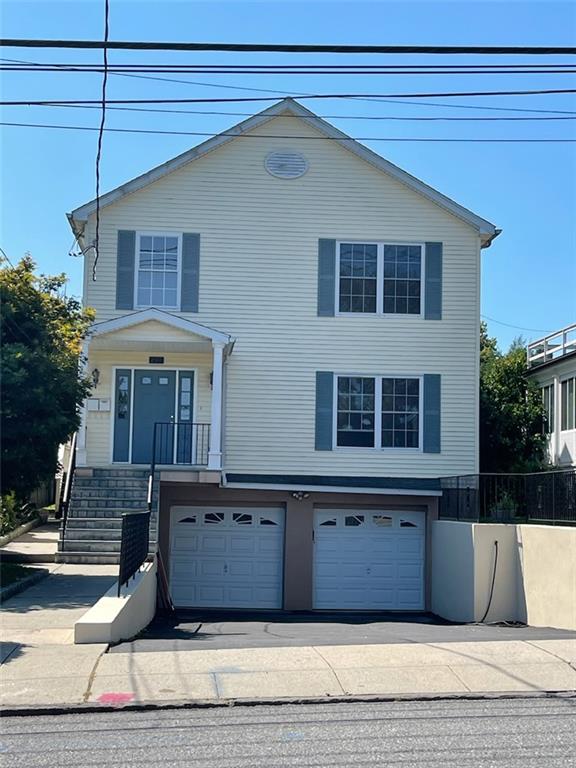
Can properties with investment units still sell for under $900,000 these days? I’m glad you asked. 297 Centre Ave just closed for $900,000 and is move in ready!
This stunning two-family home is situated on a picturesque block, just steps from public transportation, shopping, and schools. The property boasts two spacious duplex apartments, each featuring 3 large bedrooms and 2 full bathrooms. The units are designed with comfort and convenience in mind, offering full kitchens equipped with a microwave, oven, and stove. Both units also include separate dining areas and expansive living rooms, perfect for entertaining or relaxing. Ample windows flood each apartment with natural light, creating a bright and inviting atmosphere throughout. Ideal for homeowners and investors alike.
This one is gone, but we have more. Just call 646-421-4467 and I will help you find your dream home.
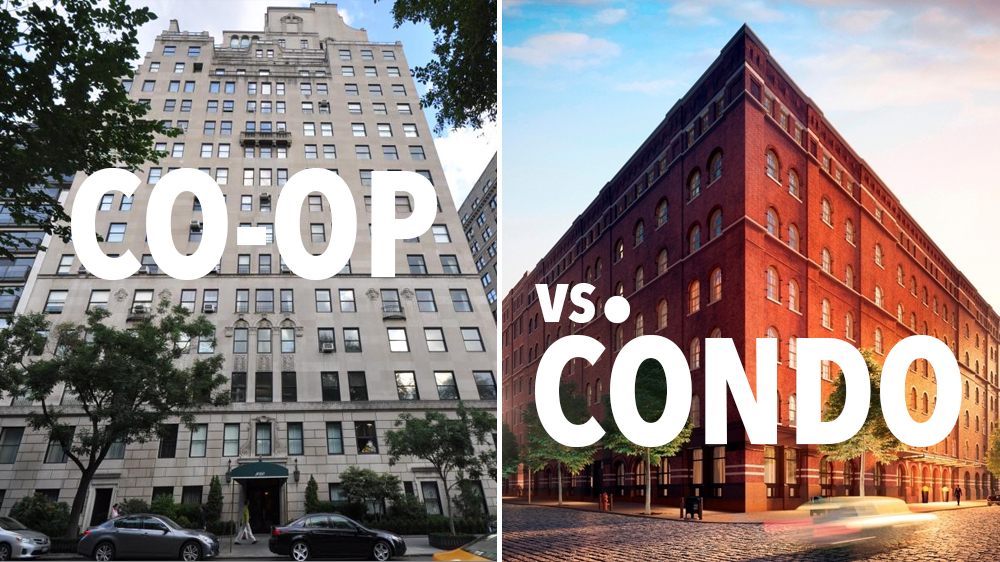
Co-op vs. Condo in Westchester County: What’s the Difference?
When you're searching for a home in Westchester County, whether in White Plains, Yonkers, New Rochelle, Mount Kisco, or Rye, you’ll find two dominant forms of ownership: co-operatives (co-ops) and condominiums (condos). Understanding how they differ is key to choosing the right home for your lifestyle, financial goals, and long-term plans.
If you’re new to this region’s real estate market, here’s a friendly, clear breakdown to guide you.
1. What You Actually Own
Co-op
-
When you buy a co-op, you aren’t buying real property, you’re purchasing shares in a corporation that owns the entire building or complex.
-
Your ownership comes with a proprietary lease that gives you the right to occupy a specific unit.
-
Think of it as “owning a slice of the building” rather than owning the unit itself.
Condo
-
Buying a condo means you own real property, the unit itself, directly.
-
You also share ownership of common areas (like lobbies or grounds) through a condo association.
-
It’s the most traditional form of real estate ownership.
Bottom line: Condo = deed to your unit; Co-op = shares and a lease.
2. Pricing & Monthly Costs
Co-ops
-
Often less expensive upfront than condos in Westchester.
-
Monthly maintenance includes common costs plus your share of:
-
Building mortgage (if any)
-
Property taxes (passed through as part of maintenance)
-
Staff, utilities in some buildings, repairs
-
-
Typically higher monthly fees than condos.
Condos
-
Usually higher purchase price.
-
Monthly common charges cover maintenance of shared areas.
-
You pay your own property taxes separately.
Example: A co-op in Yonkers might have a lower price tag but higher monthly fees compared with a similarly sized condo in Scarsdale.
3. Board Approval & Rules
Co-ops
-
Co-op boards are known for stringent application processes.
-
Expect:
-
Detailed financial disclosures
-
Background checks
-
Interviews
-
References
-
-
Some co-ops have pet restrictions, sublet limits, or other behavioral rules.
Condos
-
Condos have associations, but the approval process is more relaxed.
-
Subletting is often easier.
-
Fewer restrictions on pets or renovations (though rules still apply).
Tip: If flexibility matters to you (e.g., renting out your unit), condos are often easier.
4. Financing Differences
Co-ops
-
Lending criteria can be stricter.
-
Many co-ops require larger down payments (20–30% or more).
-
Underwriters may look closely at:
-
Board financials
-
Your personal finances
-
Condos
-
Easier to finance with standard mortgage products.
-
Lenders tend to view condos as more “normal” property with resale stability.
5. Resale & Investment Potential
Co-ops
-
Historically strong for long-term occupants.
-
Not always the best for investment rental properties due to restrictions.
Condos
-
Typically have broader resale appeal and more flexible use cases.
-
Better for buyers thinking of:
-
Renting units
-
Selling in a shorter timeframe
-
If future flexibility is important, condos may hold more long-term value.
6. Maintenance & Upkeep
Co-op
-
Building maintenance is covered by the co-op’s operating budget and your shared fees.
-
You might have fewer out-of-pocket surprises.
Condo
-
You manage inside your unit.
-
The association handles shared structures, but you pay individually for:
-
Interior repairs
-
Appliances
-
HVAC systems
-
What This Means in Westchester County
Westchester has a diverse real estate landscape — from urbanized areas like Yonkers & White Plains to suburban communities like Hastings-on-Hudson, Chappaqua, and Larchmont.
In the more urban or transit-oriented parts of the county, co-ops can provide a cost-effective entry point into the market. In sought-after suburbs where buyers want longer-term ownership or rental flexibility, condos are increasingly popular.
Final Takeaway
Here’s a quick summary:
| Feature | Co-op | Condo |
|---|---|---|
| Ownership | Shares + lease | Fee simple deed |
| Price | Lower purchase price, higher fees | Higher price, lower fees |
| Financing | Stricter | Easier |
| Board Approval | Rigorous | Simpler |
| Rent/Sublet | Often restricted | More flexible |
| Investment | Less ideal | Stronger potential |
Thinking of Buying in Westchester?
Before you decide:
✔ Get familiar with co-op board requirements
✔ Compare maintenance vs. common charges
✔ Talk to a local real estate agent and mortgage lender
Every community and building has its own culture and rules, so your perfect home depends on the lifestyle you want.
Call me at 646-421-4467 to get started on your search.
