
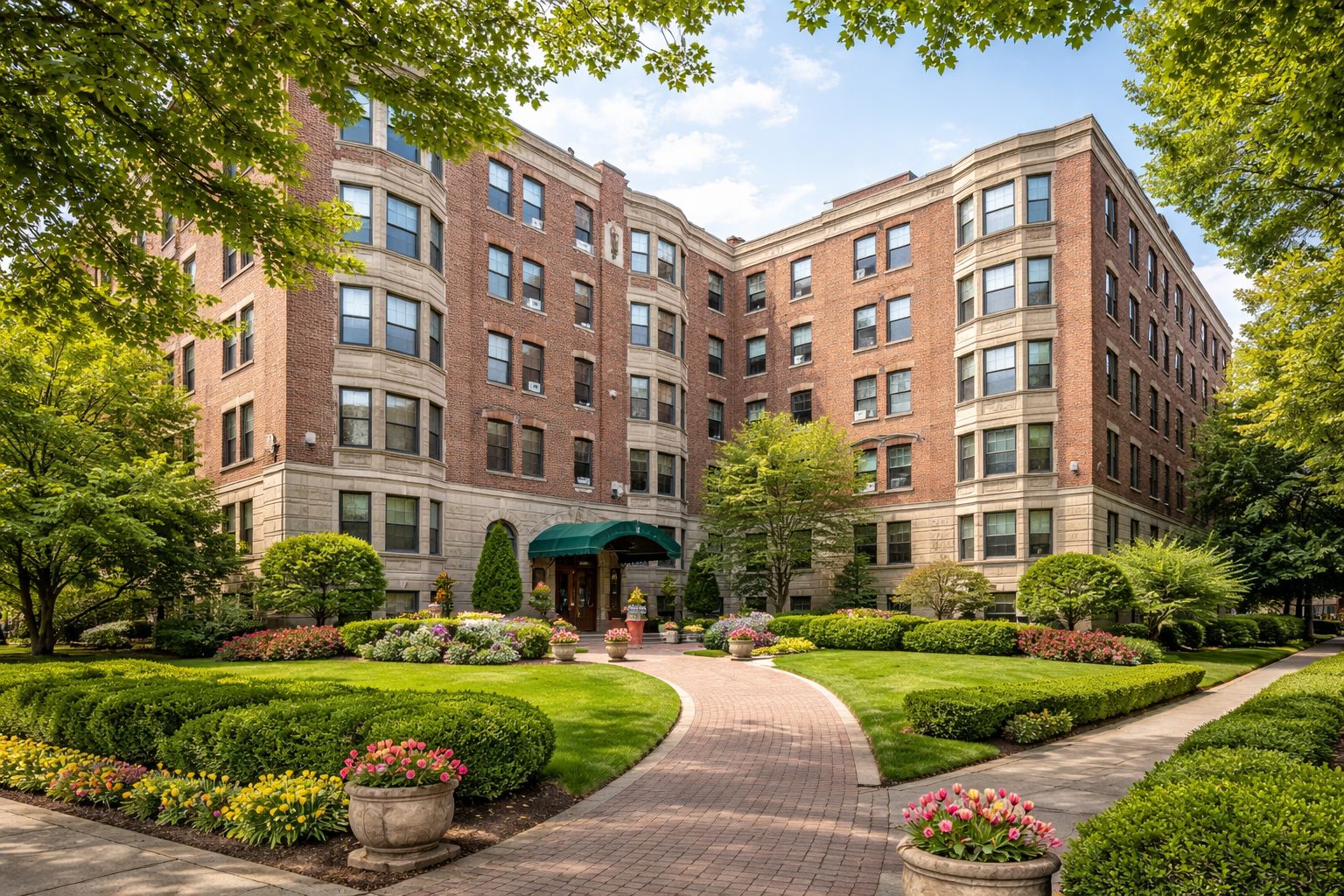
What does Maintenance cover in a Co-op in Westchester County?

When buyers start planning for a home purchase, most focus on the down payment. But one of the most common surprises for first-time buyers is the additional expense known as closing costs.
If you’re buying a home in Westchester County, understanding these costs ahead of time can help you budget properly and avoid last-minute stress before closing day.
So what exactly are closing costs, and how much should you expect to pay?
Closing costs are the collection of fees and expenses required to finalize your home purchase. These costs cover the services, legal work, and financial processing involved in transferring ownership of the property from the seller to the buyer.
For most buyers in New York, closing costs typically range from 2% to 5% of the purchase price of the home.
For example:
On a $500,000 home, closing costs may range from $10,000 to $25,000
On a $700,000 home, closing costs could range from $14,000 to $35,000
The exact amount depends on your loan, the property, and the professionals involved in the transaction.
In New York, both buyers and sellers typically hire real estate attorneys to handle the legal side of the transaction.
Your attorney will:
Review the purchase contract
Conduct due diligence on the property
Review the title report
Prepare and review closing documents
Represent you at closing
Attorney fees in Westchester County typically range from $1,500 to $3,000, depending on the complexity of the transaction.
Title insurance protects you and your lender from potential ownership disputes, liens, or legal claims against the property.
There are two types of policies typically involved:
Lender’s title insurance (required if you have a mortgage)
Owner’s title insurance (optional but strongly recommended)
The cost is usually a one-time fee based on the purchase price of the home.
If you are financing your home, your lender will charge fees associated with processing and approving your mortgage.
Common lender-related closing costs include:
Loan origination fee
Application fee
Underwriting fee
Credit report fee
Appraisal fee
Together, these costs can total several thousand dollars depending on the lender and loan program.
Buyers in New York also pay certain taxes and recording fees associated with the transfer of property.
These may include:
Mortgage recording tax
Recording fees for the deed and mortgage
Local filing fees
The mortgage recording tax is a significant cost in many New York transactions and varies based on the loan amount and municipality.
At closing, buyers also need to prepay certain housing-related expenses. These aren’t technically fees but are collected upfront so your lender can establish your escrow account.
Prepaid items may include:
Property taxes
Homeowners insurance
Mortgage interest from closing until the first payment
Escrow reserves for taxes and insurance
These costs vary depending on the time of year you close and the tax schedule of the property.
While not always included in the final closing statement, buyers should also account for other costs that occur during the transaction, such as:
Home inspection fees
Survey fees (if required)
Additional specialty inspections (radon, termite, etc.)
These costs are typically paid earlier in the process but are still part of the overall financial picture of purchasing a home.
One of the best things you can do as a buyer is prepare for closing costs early in the process.
Your lender will provide a document called a Loan Estimate, which outlines the projected costs associated with your mortgage and closing. Reviewing this with your agent can help ensure there are no surprises as you move closer to closing day.
Closing costs are an essential part of buying a home, and understanding them early can help you feel more confident and prepared throughout the transaction.
An experienced real estate agent will help you anticipate these costs, coordinate with your lender and attorney, and make sure everything stays on track from accepted offer to closing day.
If you're planning to purchase a home in Westchester County and want help understanding the full financial picture, having a knowledgeable professional guiding you through the process can make all the difference.
Give me a call, Jeselle at 646-421-4467 or email me at jeselle.eli@randrealty.com to get started.
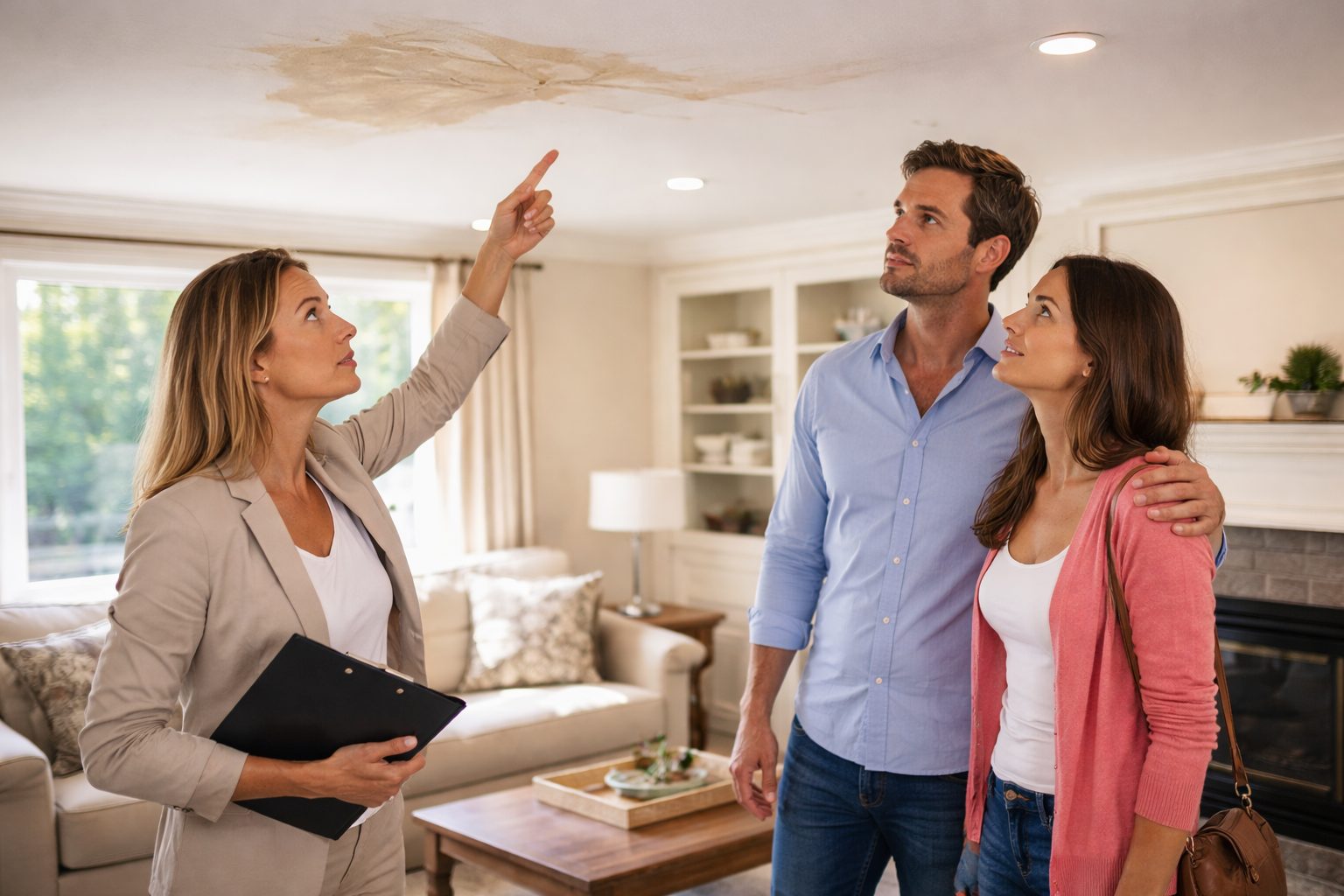
What Should You Watch for During a Home Showing? A Buyer’s Guide
When buyers walk into a home for the first time, it’s easy to focus on the things that are exciting, the kitchen, the backyard, the layout, or the staging. While those things certainly matter, a home showing is also an opportunity to look deeper and evaluate the property beyond the surface.
As a buyer’s agent, part of my job is not just opening doors, but helping you understand what you’re really looking at. A beautiful home can still have issues that affect your budget, safety, or resale value later on. Here are some important things I help buyers watch for during showings.
One of the first things I pay attention to when entering a property is anything that could indicate structural issues.
Things to look for include:
Large cracks in walls or ceilings
Uneven or sloping floors
Doors that don’t close properly
Cracks in the foundation or basement walls
Evidence of past structural repairs
Some minor cracks can be normal as homes settle, but larger or spreading cracks could indicate foundation problems. If I notice something questionable, I point it out so buyers know what to investigate further during the inspection phase.
Water is one of the most common and expensive issues homeowners face.
During showings, I often check areas where water problems tend to appear, such as:
Basement walls and floors
Under sinks
Around windows
Ceilings under bathrooms
Near the roofline or attic access
Watch for water stains, bubbling paint, warped flooring, or musty smells. These can signal past leaks, drainage problems, or roof issues.
A home isn’t just walls and paint, the mechanical systems matter just as much.
While we won’t have full inspection access during a showing, I try to identify the approximate age and condition of major components like:
Furnace or boiler
Central air conditioning
Water heater
Electrical panel
Roof
If these systems are older, buyers should factor potential replacement costs into their decision. For example, a roof nearing the end of its life could cost tens of thousands to replace.
During showings I also look for potential electrical issues, including:
Outdated fuse boxes
Limited outlets in rooms
Overloaded extension cords
Missing GFCI outlets in kitchens or bathrooms
These don’t always mean the home is unsafe, but they could indicate the need for electrical upgrades in the future.
Beyond the physical condition of the home, I also help buyers evaluate whether the layout actually works for their lifestyle.
Consider questions like:
Does the flow of the home make sense?
Are the bedrooms in a comfortable location?
Is there enough storage?
Does the kitchen layout work for everyday use?
Sometimes buyers fall in love with finishes but overlook functionality. It’s important to think about how you’ll live in the space every day.
Part of my role is helping buyers think about resale value even before they purchase.
During showings I often point out things like:
Busy roads or traffic patterns
Nearby commercial buildings
Lot positioning
Future development in the area
These factors don’t always make a home a bad purchase, but they can affect appreciation and resale potential down the road.
It’s important to remember that a showing is only the first step in evaluating a home. Even if everything looks great during a walkthrough, buyers should still rely on a professional home inspection once they are in contract.
A licensed inspector will thoroughly evaluate the property’s structure, systems, roof, plumbing, and more.
A home showing is more than just deciding whether you like a property, it’s the first step in determining whether it’s a smart investment.
Having an experienced agent by your side means you have someone looking beyond the cosmetic details and helping you identify potential concerns early in the process.
Buying a home is one of the biggest financial decisions you’ll make. The right guidance can help you move forward with confidence.
If you’re planning to start touring homes in Westchester County, I’m always happy to help buyers understand what they’re seeing and make informed decisions every step of the way.
Call me Jeselle, at 646-421-4467 or email me at jeselle.eli@randrealty.com to get started.

If you’re thinking about buying a home in Westchester County, you might be wondering: “Do I really need a realtor?”
Having an experienced agent on your side can make the process smoother, safer, and often more financially advantageous. Here’s why.
Westchester County’s real estate market can be competitive. Homes in popular towns like Scarsdale, White Plains, or New Rochelle often receive multiple offers, sometimes within days of hitting the market.
A realtor provides:
Early access to listings, including “coming soon” properties
Guidance on offer strategies to increase your chance of success
Market insight to avoid overpaying
Trying to navigate this on your own can leave you at a disadvantage.
Negotiating the purchase price, contingencies, and other terms is a critical part of the process.
An experienced agent can:
Determine a fair offer based on market data
Structure terms that appeal to sellers
Advocate for you during counteroffers
Even small adjustments in negotiation can save you thousands of dollars or prevent costly mistakes.
Buying a home in New York involves a lot of paperwork: contracts, disclosures, mortgage documents, and more.
A realtor ensures that:
All forms are completed accurately
Deadlines are met
You understand each step before signing
Mistakes in paperwork can delay closing, create legal issues, or even risk your deposit.
Your agent is also a connector to other professionals you’ll need:
Mortgage lenders for pre-approval
Home inspectors to identify potential issues
Attorneys for contract review
Title companies to ensure clear ownership
Having a team you trust makes the process much less stressful.
One of the most important roles of a realtor is helping you avoid costly surprises:
Identifying red flags during showings, such as structural or water issues
Advising on appraisal gaps or inspection findings
Helping evaluate total homeownership costs, including taxes, insurance, and maintenance
Even if you’re savvy, missing a detail could cost you thousands.
In most cases, the seller pays the commission for both their agent and the buyer’s agent. This means that you can gain all the expertise and support above without a direct fee, while significantly reducing risk and stress.
While it is technically possible to buy a home in Westchester County without a realtor, having an experienced professional on your side gives you:
Local market knowledge
Negotiation leverage
Legal and financial protection
Peace of mind
In a competitive and complex market like Westchester, the value of having an agent guiding you every step of the way cannot be overstated.
If you’re ready to start your home search and want someone to help navigate the process with confidence, I can guide you through every step, from pre-approval to closing.
If you are ready to start your journey, call me, Jeselle, at 646-421-4467 or email me at jeselle.eli@randrealty.com

If you’re home shopping right now, you’ve probably heard the words “multiple offers” more than once. In competitive markets like Westchester County, it’s not uncommon for well-priced homes to receive several offers within days, sometimes hours.
As an agent working closely with buyers, I want you to know something important: winning isn’t just about offering the highest price. It’s about presenting the strongest overall package.
Here are the strategies I use to help my buyers compete, and win.
There’s a big difference between a basic pre-approval and full underwriting.
When your lender has already reviewed your income, assets, and credit in detail, your offer becomes significantly stronger. To a seller, this reduces the risk that your financing will fall apart midway through the deal.
In a competitive situation, certainty is powerful.
Homes that are priced correctly in towns like New Rochelle or White Plains often don’t sit long.
That means:
Seeing homes as soon as they hit the market
Reviewing disclosures promptly
Being ready to submit when the timing is right
Speed matters, but so does having a clear strategy before you rush into writing an offer.
Yes, price matters. But so does structure.
A strong offer may include:
A competitive purchase price
Solid earnest money deposit
Limited contingencies (when appropriate)
Flexible closing timeline
Sometimes a slightly lower offer with cleaner terms beats a higher offer full of complications.
In certain situations, an escalation clause can automatically increase your offer above competing bids up to a set limit.
This allows you to:
Stay competitive
Avoid drastically overbidding upfront
Maintain control over your ceiling
It’s not right for every situation, but when used correctly, it can be very effective.
Inspection, appraisal, and financing contingencies protect you. Waiving them entirely can be risky.
Instead, we may:
Shorten contingency timelines
Offer informational-only inspections
Provide appraisal gap coverage (if financially comfortable)
The goal is to make the seller feel secure, without putting you in a vulnerable position.
Sometimes the winning offer isn’t about money at all.
If the seller needs:
A rent-back period
A specific closing date
Extra time to move
Accommodating those needs can make your offer stand out immediately.
While personal letters are less common today due to fair housing considerations, a professionally structured offer package, clear, organized, and easy to understand, absolutely matters.
As your agent, I make sure your offer:
Is presented cleanly
Anticipates common concerns
Positions you as serious and qualified
Professional presentation builds confidence.
This is one of the most important conversations we’ll have.
In competitive markets, emotions can take over. Before we submit anything, we define:
Your true maximum
Your comfort level with appraisal gaps
What makes the deal still make sense long-term
Winning feels great, but winning smart feels better.
Even with a strong strategy, you may lose out occasionally. That doesn’t mean you failed, it means we refine, adjust, and move forward.
Every offer teaches us something about the market.
In a competitive market like Westchester County, preparation and strategy separate serious buyers from frustrated ones.
The right approach includes:
Financial readiness
Smart negotiation tactics
Strong market insight
Emotional discipline
When my buyers enter multiple-offer situations, we don’t guess, we execute a plan.
If you’re preparing to buy and want to feel confident walking into competitive scenarios, let’s talk strategy before you find the one.
Call me, Jeselle at 646-421-4467.

Buying a home in Westchester County is exciting, whether you’re moving from NYC or upgrading within the suburbs. But while most buyers focus on the purchase price and mortgage payment, there are several hidden costs that can catch you off guard if you’re not prepared.
As a local real estate professional, I always make sure my buyers understand the full financial picture before they close. Here’s what you really need to budget for when buying in Westchester.
Westchester County is known for having higher property taxes compared to many other parts of the country.
Taxes vary widely depending on the town and school district. For example, homes in areas like Scarsdale, White Plains and New Rochelle can have dramatically different tax bills, even at similar price points.
Before you fall in love with a house, always ask:
What are the current taxes?
Are there STAR exemptions applied?
Have taxes increased recently?
Taxes directly impact your monthly payment and your long-term affordability.
If you’re purchasing a co-op (very common in southern Westchester), your monthly maintenance can feel like a second mortgage.
Co-op fees often include:
Property taxes
Heat and water
Building insurance
Maintenance staff
Reserve funds
Some buildings also require:
Move-in fees
Application fees
Flip taxes when you sell
In towns like Yonkers and New Rochelle maintenance fees can range from a few hundred dollars to well over $1,500+ per month depending on the building.
In New York, buyer closing costs typically range from 2%–5% of the purchase price.
These may include:
Attorney fees
Title insurance
Lender fees
Appraisal fees
Recording fees
Prepaid property taxes
Homeowners insurance
Mortgage recording tax
On a $700,000 home, that could mean $14,000–$35,000 out-of-pocket, in addition to your down payment.
Unlike some other states, New York charges a mortgage recording tax if you’re financing.
In Westchester County, this can be roughly:
1.05% on loans under $500,000
1.05%–1.3% on higher loan amounts
This is a cost many first-time buyers don’t anticipate because it’s not something you see advertised in listings.
A home inspection may reveal:
Roof nearing end of life
Old boiler or HVAC system
Plumbing updates needed
Foundation or water issues
In older Westchester homes (especially pre-1940 colonials), deferred maintenance is common. Even if you negotiate credits, you may still need to budget for repairs shortly after closing.
Many homes in Westchester still use oil heat.
If the home uses oil:
You may need to fill the tank at closing
Oil prices fluctuate
You may want to convert to gas (which can cost thousands)
This is something NYC buyers especially aren’t used to budgeting for.
Some newer developments and townhome communities have HOA fees covering:
Landscaping
Snow removal
Common areas
These can range from a few hundred to over $1,000 per month depending on amenities.
When you move from a city apartment to a single-family home, you’re now paying for:
Water
Sewer
Trash
Landscaping
Snow removal
Higher electric bills
That monthly cost jump can be significant if you’re not prepared.
Buyers often forget to budget for:
Movers
Furniture
Window treatments
Security systems
Immediate cosmetic updates
It’s common to spend $5,000–$20,000+ within the first few months just settling in.
Buying in Westchester County is an incredible investment, but the smartest buyers understand the total cost of ownership, not just the listing price.
The good news? None of these costs are scary when you plan for them.
If you’re thinking about buying in Westchester, I can help you:
Estimate your true monthly cost
Compare towns and tax structures
Understand co-op vs. condo vs. single-family expenses
Prepare for closing without surprises
The more informed you are, the more confident your purchase will be.
If you are ready to begin your journey towards homeownership call me at 646-421-4467.
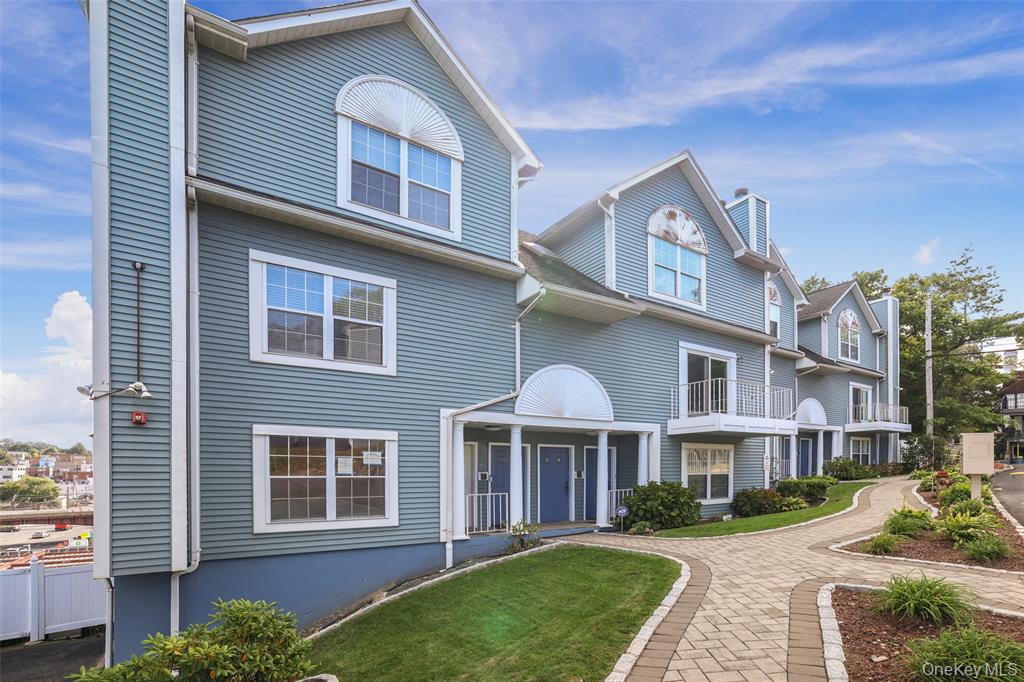
What will $529,000 get you in Elmsford? A beautiful 2 bedroom condo!
Welcome to Nob Hill Drive, a meticulously maintained townhome-style condo in the heart of Elmsford. Offering the perfect blend of comfort, style, and convenience. Spanning approximately 1,500 square feet across three thoughtfully designed levels, this home has been updated with care and is move-in ready, providing a rare combination of modern finishes and timeless charm. From the moment you enter, you’ll be greeted by a sun-filled living space that immediately feels warm and inviting. Beautiful floors flow throughout the main level, complemented by abundant natural light streaming from skylight and large windows, creating an atmosphere that is both relaxing and elegant. A cozy fireplace anchors the living room, offering a perfect focal point for evenings spent entertaining friends or enjoying quiet family nights. The open-concept layout connects the living and dining areas seamlessly, making daily life and hosting effortless. The kitchen is bright and functional, featuring ample cabinet and counter space, ideal for preparing meals or gathering with loved ones. Step outside to your private balcony—a serene spot to enjoy morning coffee, evening cocktails, or a quiet moment surrounded by greenery. This outdoor space offers a rare sense of tranquility in a low-maintenance setting. Each bedroom with its own full bathroom and generous closet space. The primary suite serves as a private retreat, while the second bedroom provides flexibility for guests, a home office, or family members. In-unit laundry and central air conditioning add to the convenience, while thoughtful updates ensure a comfortable and modern living experience. The property is part of a well-maintained community with assigned parking, professionally landscaped grounds. The surrounding neighborhood enhances the home’s appeal, offering tree-lined streets, a welcoming atmosphere, and easy access to local shops, restaurants, and parks. For commuters, Nob Hill Drive provides exceptional convenience. Quick access to I-287, the Saw Mill River Parkway, and nearby public transportation make travel to New York City and Westchester County seamless. Don’t miss your chance to call this exceptional Elmsford home your own—schedule your private tour today and discover the comfort, style, and lifestyle that await at 2 Nob Hill Drive.
This one is gone, but we have more. Just call 646-421-4467 and I will help you find your dream home. You can also email me at Jeselle.Eli@randrealty.com
If you’re thinking about buying or selling a home in Westchester County in 2026, one of your first questions is probably:
“Is it a buyer’s market, a seller’s market, or somewhere in between?”
The short answer: Westchester remains a seller’s market overall, but the dynamics are shifting and vary by price point and neighborhood. Let’s break down exactly what the data and local trends are showing.
Westchester County continues to see appreciation in home values, with average home values rising modestly year-over-year. According to the latest Zillow data, the typical home value in the county is around $827,000, up about 4.8% over the past year. Homes are going under contract in roughly 43 days on average, an indicator of sustained demand.
Meanwhile, Redfin and local MLS data show median sale prices increasing and sales volume remaining robust, especially for single-family homes, signaling that buyers are still active.
One of the biggest factors shaping the market is limited inventory. While listing counts may be slowly increasing compared to previous years, the number of homes for sale in Westchester remains relatively tight, meaning buyers still have fewer choices. Low inventory tends to favor sellers by keeping competition strong and preventing price drops.
In many competitive towns, especially in southern Westchester, like New Rochelle and White Plains and the Rivertowns, like Tarrytown and Ossining, homes priced correctly still receive strong buyer interest.
Local market reports indicate that:
Median sale prices are still climbing in many areas.
Homes in competitive price ranges (especially $900K–$1.5M) sell quickly and attract multiple offers.
Luxury segments continue to see strong activity as buyers from NYC and beyond purchase for lifestyle reasons.
These are classic features of a seller’s market, especially at and above the county’s median price point.
Here’s where nuance comes in:
While overall conditions favor sellers, lower-priced homes or properties with pricing or condition issues are staying on the market longer and sometimes selling closer to or even below list price. According to Realtor.com’s local metrics, the sale-to-list price ratio is roughly 100% countywide, which suggests some balance, especially where buyers feel they have more negotiating power.
Mortgage rates haven’t returned to the ultra-low levels of recent years, but they have eased slightly compared to their peaks, which helps buyers regain a bit of buying power and encourages more activity. National forecasts also expect home sales to rise modestly in 2026 as affordability improves gradually.
If you’re buying in 2026:
Expect competition in desirable neighborhoods and popular price ranges.
Be prepared with financing pre-approval.
Homes priced well and in good condition still draw multiple offers.
You may have more negotiating leverage than a year or two ago — but it’s still not a deep buyer’s market.
If you’re selling now or soon:
You’re likely to benefit from continued demand and limited inventory.
Well-priced homes can still move quickly.
Some segments, especially in high-demand towns, remain firmly in seller territory.
Pricing strategy and presentation are more important than ever to maximize offers.
Westchester’s 2026 real estate market remains a seller’s market, but with subtle signs of rebalancing. Prices continue to rise and demand stays strong, yet smoother affordability and inventory improvements have given buyers slightly more room to negotiate compared with the peak frenzy of recent years.
If you want a clearer read on your specific neighborhood or price range, reach out, buyers and sellers benefit most when they understand the data behind their market. Call me at 646-421-4467 for more.
By Jeselle Eli, Realtor
If you’re thinking about leaving the hustle of New York City behind but still want easy access to it, Westchester County is one of the most popular commuter-friendly suburbs with charm, community, great schools, and lifestyle perks, all just a train ride or drive away.
Here are the top 5 neighborhoods and towns buyers moving from NYC are choosing in 2026, and what makes each one special:
Just about a 35–45 minute train ride from Manhattan, Larchmont has become a favorite for NYC buyers because of its picture-perfect downtown, waterfront parks, beach access, and top-tier schools. The village feels walkable and stylish, with local boutiques and restaurants just steps from Metro-North.
Why buyers love it:
Quick NYC commute
Walkable village center
Coastal living with parks and beaches
Great schools and strong community feel
Bronxville is perfect if you’re looking for a picture-postcard community that still feels lively. Its downtown is full of cafes, shops, and community events, and it’s only about a 30–35 minute train from Grand Central. Homes here tend toward the luxury side, but buyers are drawn to the walkability, gorgeous historic homes, and prestige of this village.
Why buyers love it:
Exceptional walkability
Strong sense of community
Close-in commute
Historic charm with premier schools
Tarrytown and its sister village, Sleepy Hollow, are consistently popular with former NYC residents seeking a lively, scenic small town. With Hudson River views, a charming Main Street, and a ~40-minute commute via Metro-North, this area blends suburban living with plenty to do.
Why buyers love it:
Hudson River scenery and parks
Historic homes and local eateries
Quick access to the city
Tight-knit community feel
Just north of Tarrytown lies Dobbs Ferry, a hip, artsy suburb that has become a favorite for buyers who want walkability, water views, and easy access to NYC (about 38 minutes by train). The town blends historic charm with a vibrant Main Street and outdoor space along the river, making it especially popular with young professionals and families alike.
Why buyers love it:
Waterfront parks and trails
Creative local culture
Easy train commute
Strong community vibe
If coastal living with suburban convenience is your priority, Rye is hard to beat. Along with beaches, marinas, and a charming downtown, Rye offers a comfortable ~40-minute commute to Manhattan, excellent schools, and plenty of outdoor recreation, all reasons it consistently ranks as one of the most sought-after Westchester towns.
Why buyers love it:
Waterfront parks and marinas
Strong school systems
Walkable downtown
High quality of life
A few other areas getting attention from NYC buyers include:
Yonkers - more affordable entry point with a growing downtown and walkable districts.
New Rochelle - strong transit links, waterfront parks, and a revitalized city center.
In 2026, buyers leaving NYC aren’t just looking for more space, they want community, commute convenience, lifestyle, and quality of life without sacrificing connectivity. From coastal suburbs to river towns and classic commuter villages, Westchester’s diversity of neighborhoods means there’s something for almost every buyer.
Whether you’re prioritizing walkability, schools, scenic views, or proximity to the city, Westchester offers a range of highly sought-after neighborhoods that make suburban living both accessible and exciting.
If you’re considering a move from NYC, or just exploring your options, I’d be happy to help you compare these communities side by side and find the right fit for your lifestyle and budget. Give me a call at 646-421-4467.
By Jeselle Eli, Realtor
Westchester County, NY — Trends, Timing & Strategy
Seasonality, the predictable ebb and flow of buyer and seller activity throughout the year, profoundly shapes the Westchester County real estate market. Like many Northeast markets, Westchester sees cyclical shifts in inventory, demand, pricing, and negotiation leverage, which savvy buyers and sellers can use to their advantage.
Across the U.S. housing market, the spring and summer months historically represent peak activity, with more new listings, higher buyer engagement, and generally faster sales. In Westchester, this pattern has been visible, with home showings, offers, and contracts signed accelerating in early spring.
Why Spring & Early Summer Are Hot:
Better weather & curb appeal - homes show better and more buyers are out touring.
School calendar aligns - families prefer moves before fall school starts.
Buyer mindset shifts - tax refunds, longer days, and moving plans often kick in.
These factors combined typically shorten Days on Market and tighten list-to-sale price ratios during April through June.
While spring still matters, recent data suggests the peak of activity is no longer as rigid as in the past. Historically, May was the undisputed high point for new listings — but in the last few years, that peak has shifted earlier (April) or later (summer to early fall) depending on market dynamics and mortgage rates.
Interesting local shifts include:
April sometimes outpacing May for new listings as sellers try to get ahead of competition.
Inventory peaks stretching into June, July, or even September, blurring traditional seasonality.
Some years seeing more of the annual sales volume happen in the second half of the year rather than the first, a notable post-pandemic shift.
This evolution suggests market timing is increasingly influenced by interest rate movements and inventory constraints as much as by the calendar.
Activity tends to decline in winter, particularly December through February. Fewer new listings, limited showings due to holidays and weather, and buyers waiting for spring results in slower pace and often better negotiation leverage for buyers, if the right property is on the market.
However, the slowdown isn’t always a disadvantage, motivated buyers and fewer competing sellers can mean:
better pricing opportunities,
more time for strategic decisions,
and increased agent attention for sellers.
This aligns with broader market observations that the conventional wisdom of “spring only” listing periods may be loosening.
Consumer demand and inventory levels are key drivers of how seasonality plays out in Westchester:
Low overall inventory - Westchester has seen deeply constrained listings compared to pre-pandemic norms, compressing supply year-round and strengthening seller leverage even outside peak seasons.
Pricing resilience - Despite seasonal fluctuations in activity, median home prices have continued to rise, breaking records in many segments.
Price segmentation - Entry-level homes often sell quickly even in slower months, while higher-end properties may stay on the market longer regardless of season.
This means that seasonal effects, while real, are often moderated by local supply-demand dynamics in Westchester.
For Sellers:
Spring listings can generate higher activity and faster sales, but pricing strategy must be sharp to capitalize.
Early or late in the season can still work if inventory is especially low or your home has unique appeal.
Winter and holiday periods may attract serious, motivated buyers with less competition.
For Buyers:
Spring and summer competition is fierce, but planning early (e.g., lining up financing before peak season) helps.
Fall and winter negotiations can be more favorable when fewer buyers compete.
Inventory may still be limited, so being ready to act fast is crucial, even outside peak months.
Seasonality in Westchester County’s real estate market still matters, spring and early summer often bring heightened activity, but the patterns have become less predictable and more influenced by inventory conditions and interest rate trends. Whether you’re buying or selling, understanding both traditional seasonal rhythms and local market shifts can help you choose the best time and strategy for your goals.
If this is the season for you, call me at 646-421-4467.
